


Postgraduate Programme in Classical-Realist Education and the Humanities
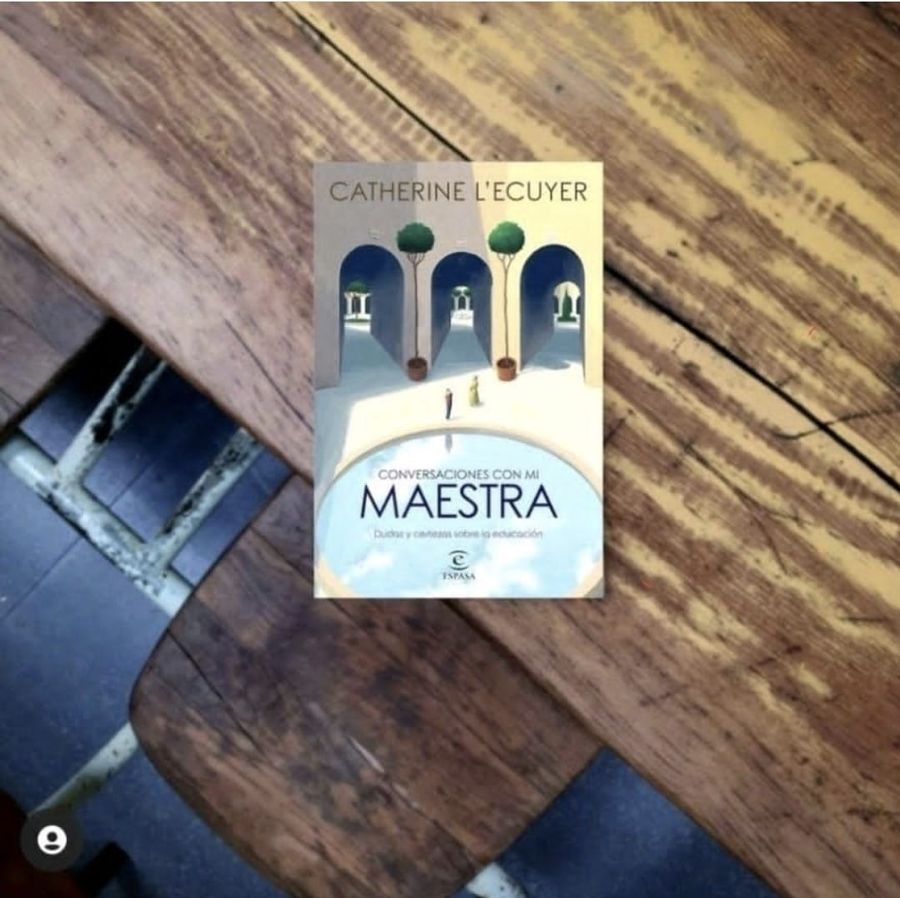
Led by Dr Catherine L’Ecuyer
The most valuable postgraduate programme currently offered in the Spanish university system.
Vicente BellverProfessor of Philosophy of Law at the University of Valencia.We want to be the first Postgraduate Programme you can attend with your baby, but not with your mobile phone. We want to help you reconnect with what truly matters.
Catherine L’EcuyerProgramme

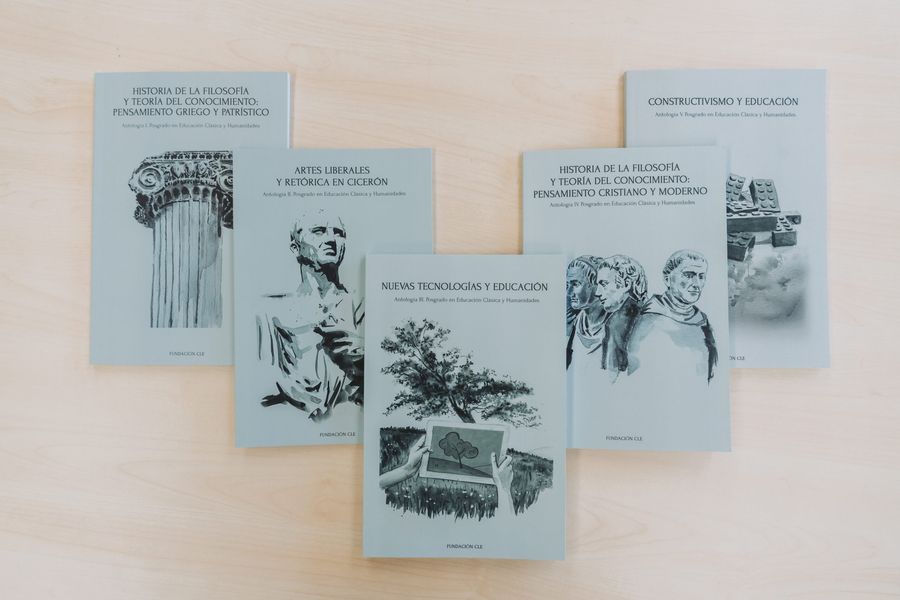
History of philosophy and classical-realist education
- Greek, patristic, scholastic and modern philosophy
- Theory of knowledge, epistemology and ontology
- Rhetoric in Cicero
- Liberal arts: the origin of the trivium and the quadrivium
- The influence of Rousseau on education
- The controversy over original sin in education

Constructivism and education
- Foundations and aims of education
- The history of the New Education
- Art and education in the context of the French Revolution
- Towards a non-constructivist approach to music teaching: the case of Paco de Lucía
- To know is not to construct; to understand is to remember and to bring to light
- Why does constructivism not work? The cases of Sweden and Portugal

Education in the virtues, beauty, wonder and sensibility
- Educating in wonder and beauty
- Educating desire through the imagination
- Education in the virtues vs voluntarism: how to educate so that one comes to enjoy doing good
- Intellectual habits vs the competency-based approach

The importance of a cultural climate in the home grounded in the classical-realist spirit
- The anthropology of good manners
- The importance of conversation
- Family leisure and cultural life grounded in a classical-realist spirit
- Erasmus of Rotterdam: education in virtue and good letters from childhood

Recent developments in classical-realist education
- Narrative in Alasdair MacIntyre
- Beauty in Roger Scruton
- The spark of education in Georg Lukács
- The case of John Senior
- Montessori pedagogy: discipline as a precondition for freedom
- Why do we burn books? Culture seen through historical presentism

The university and the aims of education
- From the studium to the MOOC
- The aims of education in Jacques Maritain
- The purpose of the university in Ortega y Gasset
- Truth matters, in the university too
- John Henry Newman’s idea of a university

The unity of knowledge and evidence-based education
- The anthropology of research
- Neuroscience and education
- Biology vs biologism
- Neuromyths
- Literacy: the whole-word, phonic and sensorial methods
- Early stimulation, multiple intelligences and other near-myths in education

Emotions, feelings, affectivity, attachment and sensibility from the classical-realist perspective
- Secure attachment
- Rationality, feelings, emotions and affectivity
- Joint attention
- The external and internal senses and the knowledge of reality

The role of technology in education
- Screens and learning: sustained attention
- Screens and mental health
- Leisure alternatives to screens
- Paediatric recommendations on screen use

The humanities and the challenges of transhumanism, artificial intelligence and neuroethics
- What are the humanities?
- AI and the technologies applied to education: personalised education or sponsored mass communication?
- Transhumanism and artificial intelligence
- Philosophy of science: teaching students about the Big Bang and the theory of evolution
- Neuroscience and freedom

Educational freedom, freedom of education and the principle of subsidiarity
- Educational freedom: utopia or reality?
- Political narratives surrounding freedom of education
- The international framework for freedom of education
- The legal framework for educational freedom, home education and parental participation in schools

Running a school from the perspective of classical-realist education
- Relations between schools, families and the community in Joyce Epstein
- The theory of school organisation: leadership, management and systems
- The case of Michaela Community School: a classical-realist or a mechanistic model?
- Innovative educational methods from the perspective of classical-realist education

Montessori education
- Why is Montessori neither romantic nor constructivist?
- The main pillars of Montessori education
- Discipline as a precondition for freedom
- Demonstration of the Montessori materials in the classroom

The importance of reading and memory
- How to encourage reading at home
- Recommended classic, children’s and young adult literature
- Principles and methodology of the classical-realist approach to the study of Great Works
- In praise of memory: the memory of the heart
- Hope in literature
- The importance of poetry

The importance of the Great Books
- History of liberal education
- The historical development of the Great Books movement and a presentation of the principles and methodology of Great Works within the classical-realist school of thought of Fundación CLE Catherine L’Ecuyer
- Ethical education and education in the virtues in the Great Books
- The pedagogy of narrative
- How to educate our children in nobility of spirit
- Reading and moral education. Does reading the classics lead to virtue?

Great works and classical authors
- Greek and Roman lyric poetry
- Love in Jane Austen’s Pride and Prejudice
- Chesterton, Lewis and Tolkien
- Art and education throughout the French Revolution
- The Postgraduate Programme in Classical-Realist Education and the Humanities is intended for discerning people, weary of the superficial noise that saturates so much of the discourse on education, both in the classroom and at home.
- We take great care in selecting our students, as the quality of the interactions among them forms part of the experience the Postgraduate Programme offers.
- Students from our first three cohorts share the same passion for classical education, despite their very diverse backgrounds: teachers, lawyers, heads of studies, homemakers, members of the armed forces, engineers, civil servants, head teachers, etc. Our students come from all over Spain and also from abroad (Portugal, Austria, Chile, Colombia, etc.).
- Applicants must have an undergraduate degree, completed or in progress.
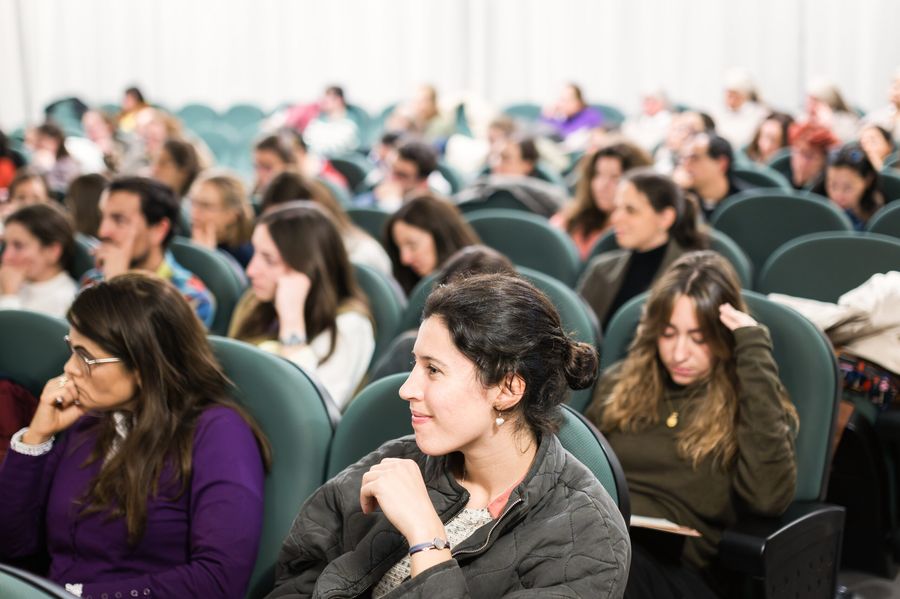
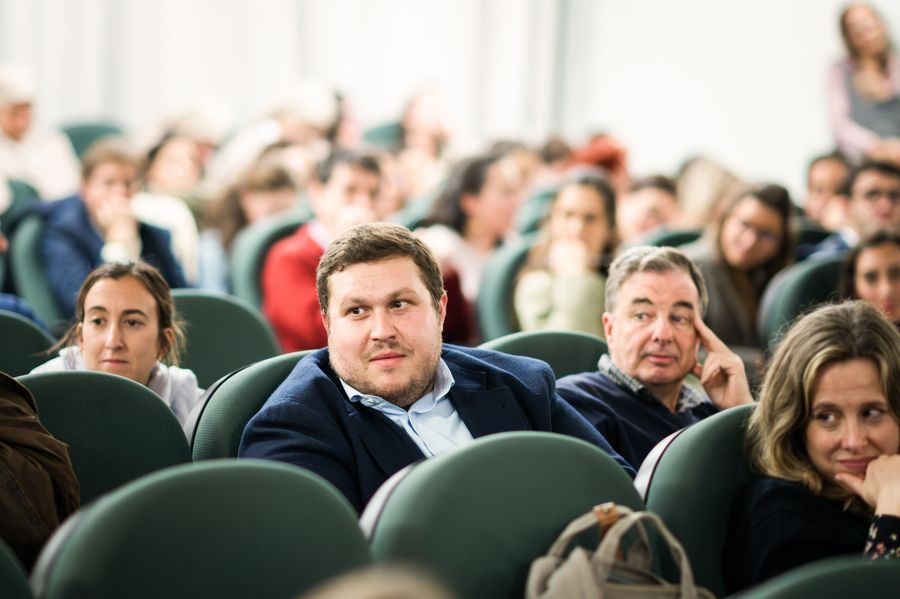
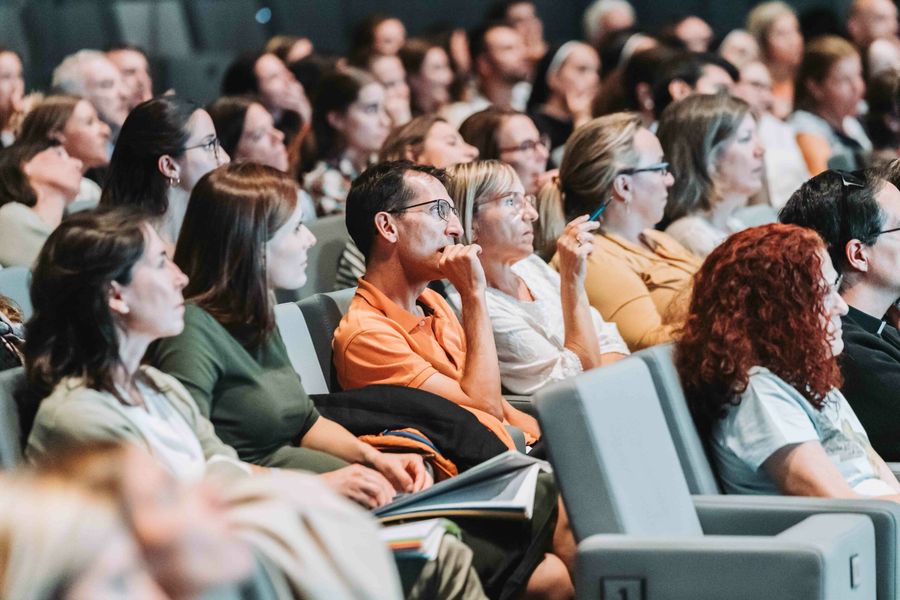
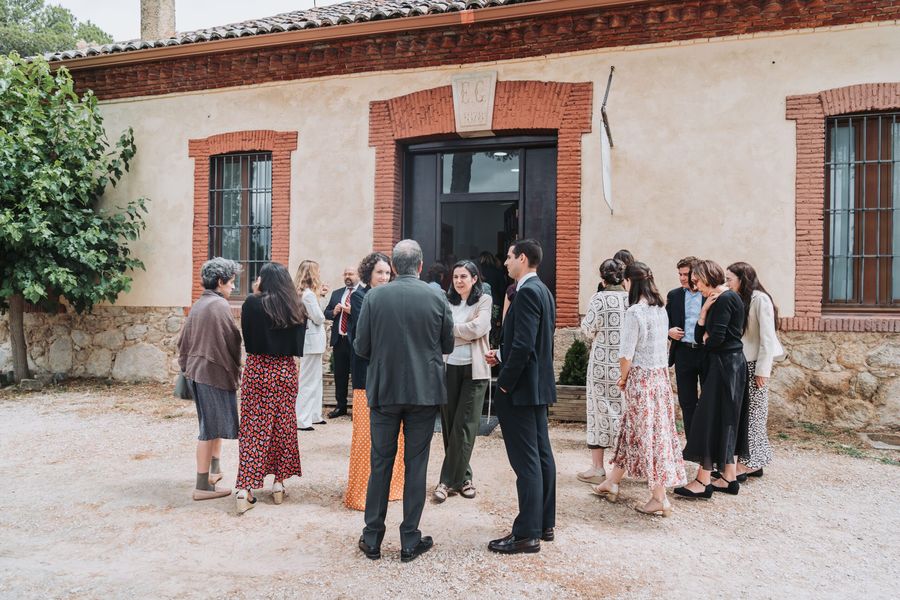
- More than 180 hours of in-person teaching delivered by professors, lecturers, teachers and speakers of international standing.
- Lectures (direct instruction), the Socratic method (questions and answers), reading and note-taking by hand.
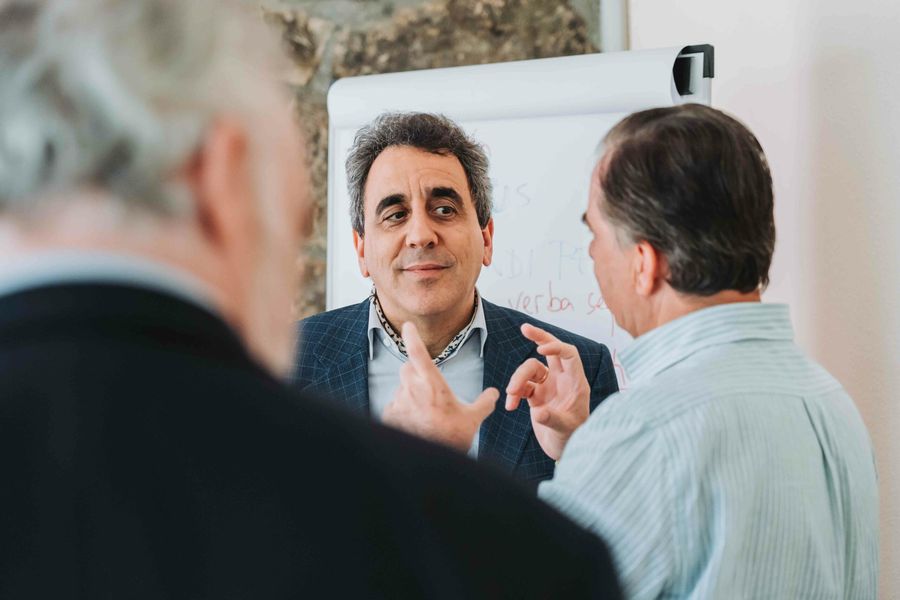
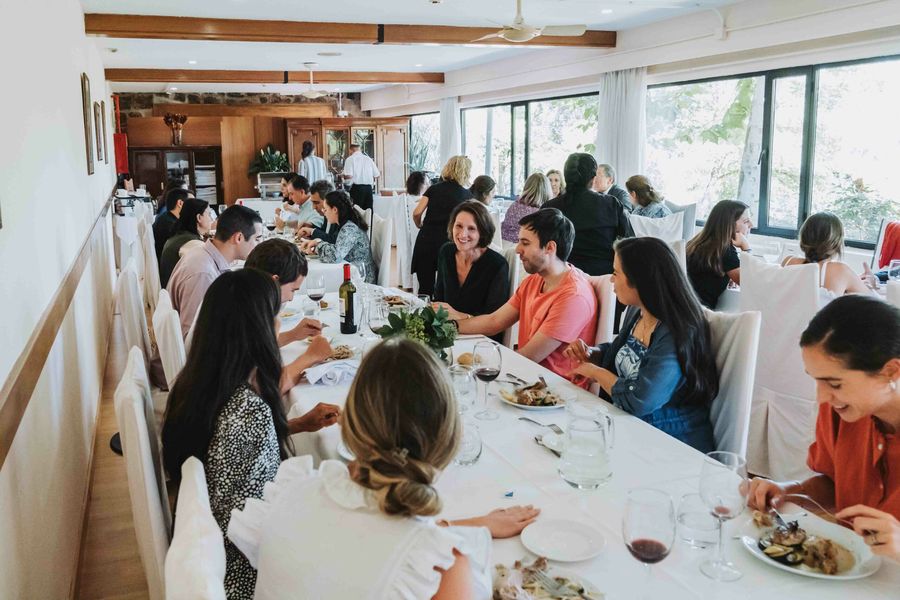
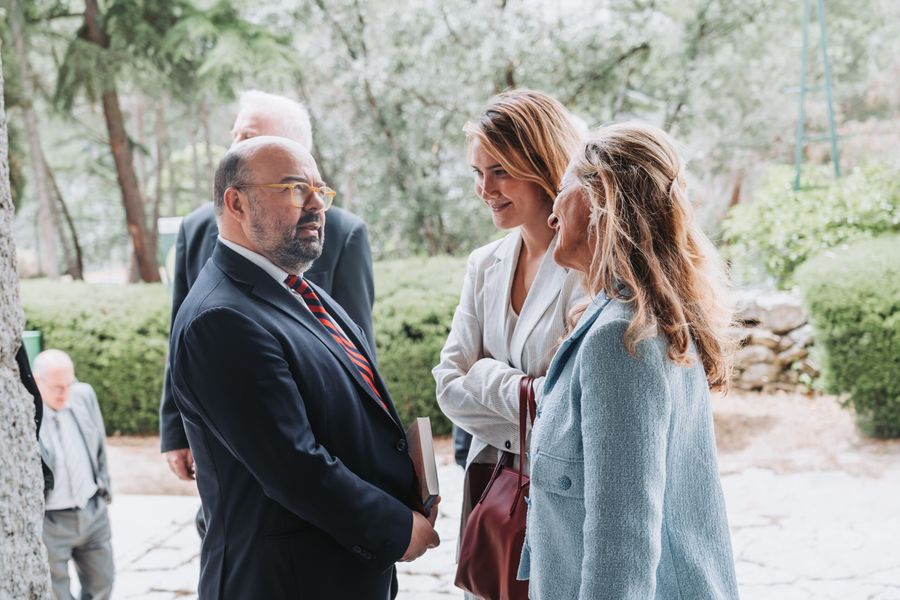
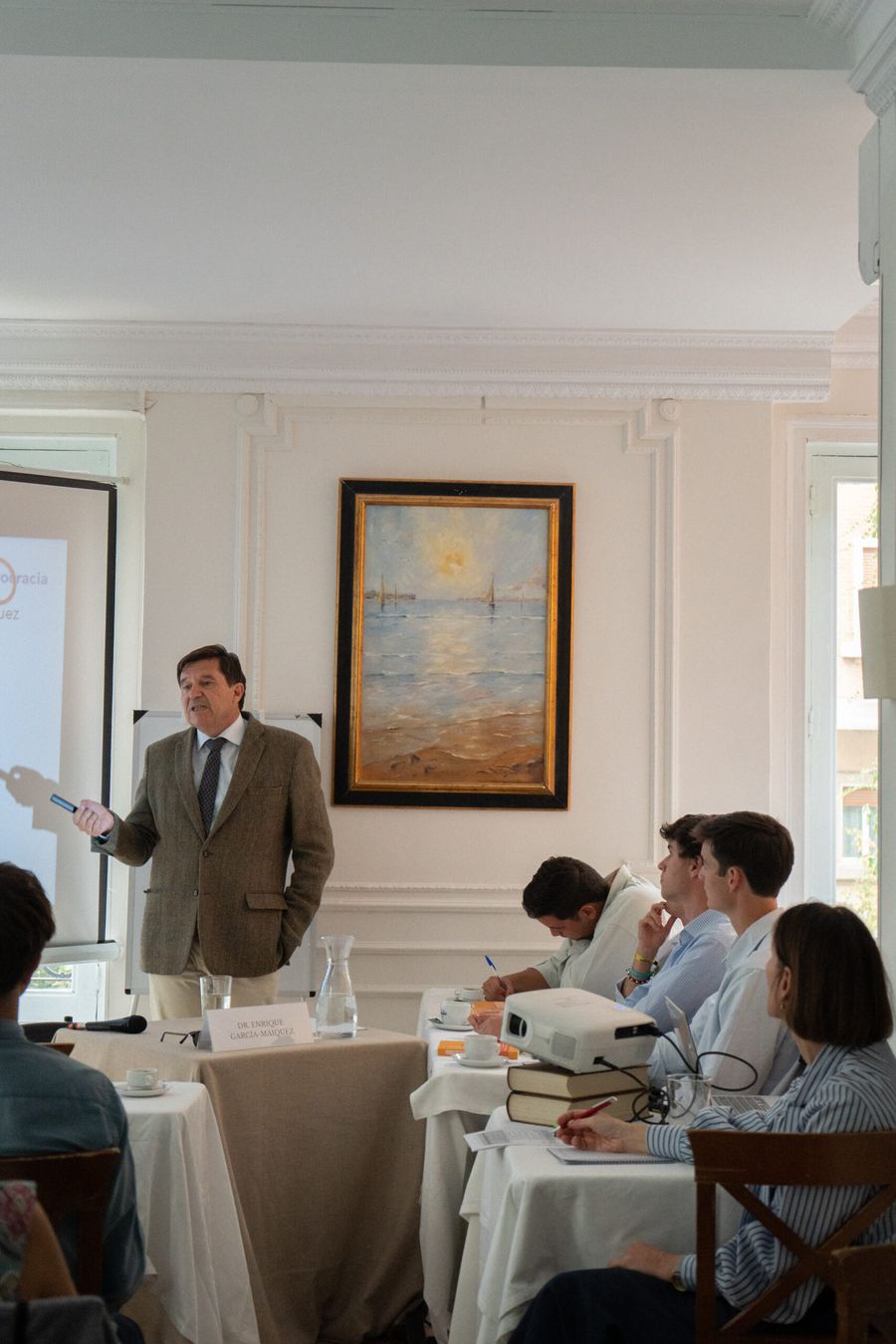
- Close contact with the faculty and with the Postgraduate Programme leadership during lunches, coffee breaks, etc. (lecturers usually stay for lunch, and the Director of the Postgraduate Programme will normally attend every class with the students and, in some cases, moderate the session).
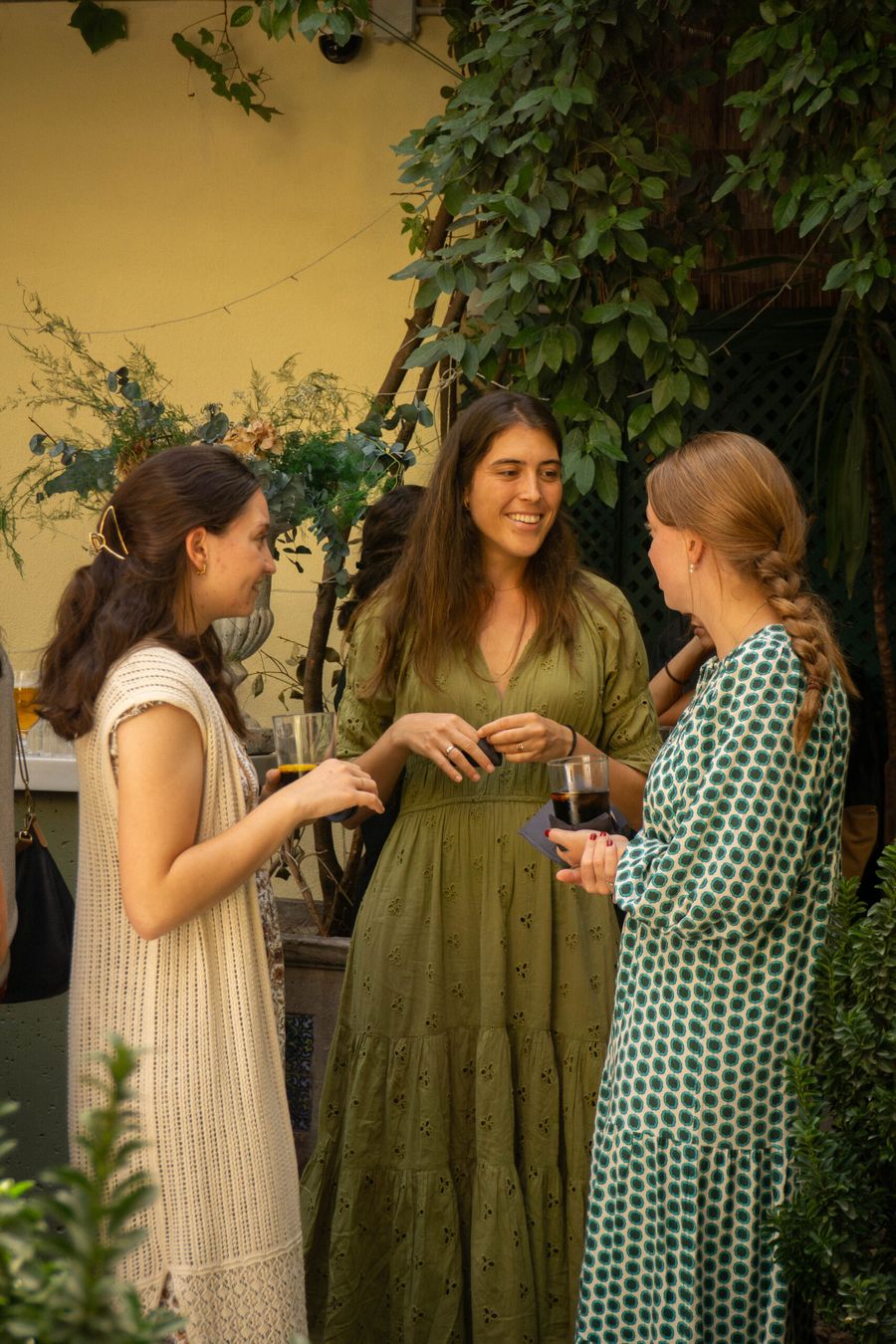
- Contact with other teachers, lecturers, head teachers, parents and professionals with a keen interest in classical-realist education.
- A reading plan (half an hour of reading a day over two years) based on a list of recommended books and material distributed to students (selected books, anthologies of texts and in-house books).
- Continuity and unity of content (personal attendance by Catherine L’Ecuyer – Director of the Postgraduate Programme – at every session).
- Assessment: 15 one-page essays, handwritten, on the topics covered in class and in the materials provided to students. A 5-page paper on constructivism.
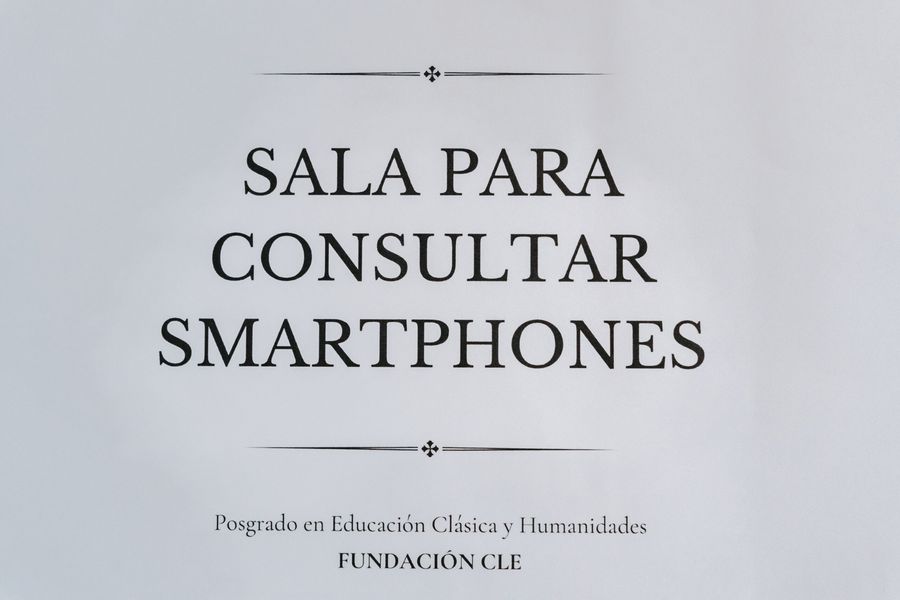
- Mobile phones are switched off or in flight mode during classes and meals (a room will be available for those who need to make calls or check their phones).
- Poetry recitation: at each session, a student volunteer recites from memory a poem selected by the faculty.
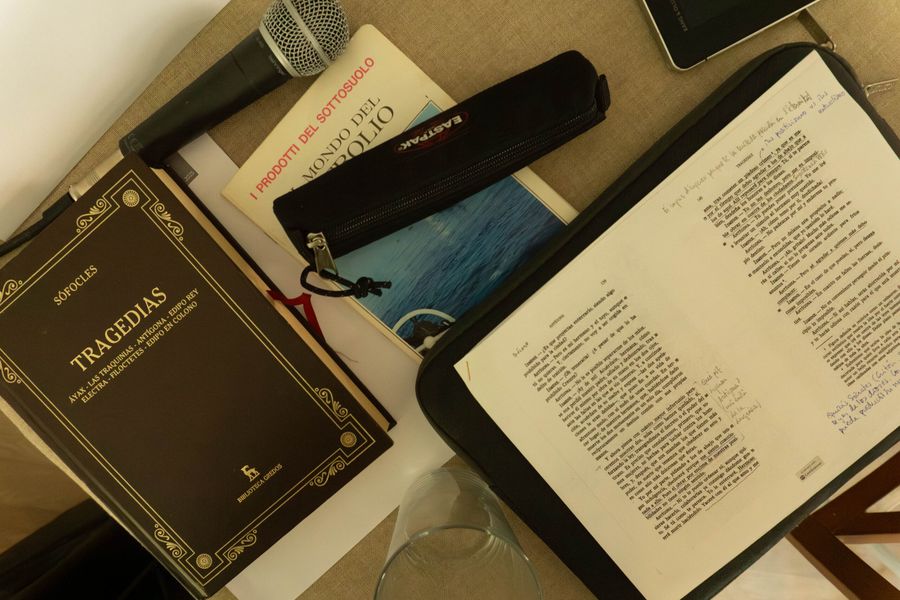

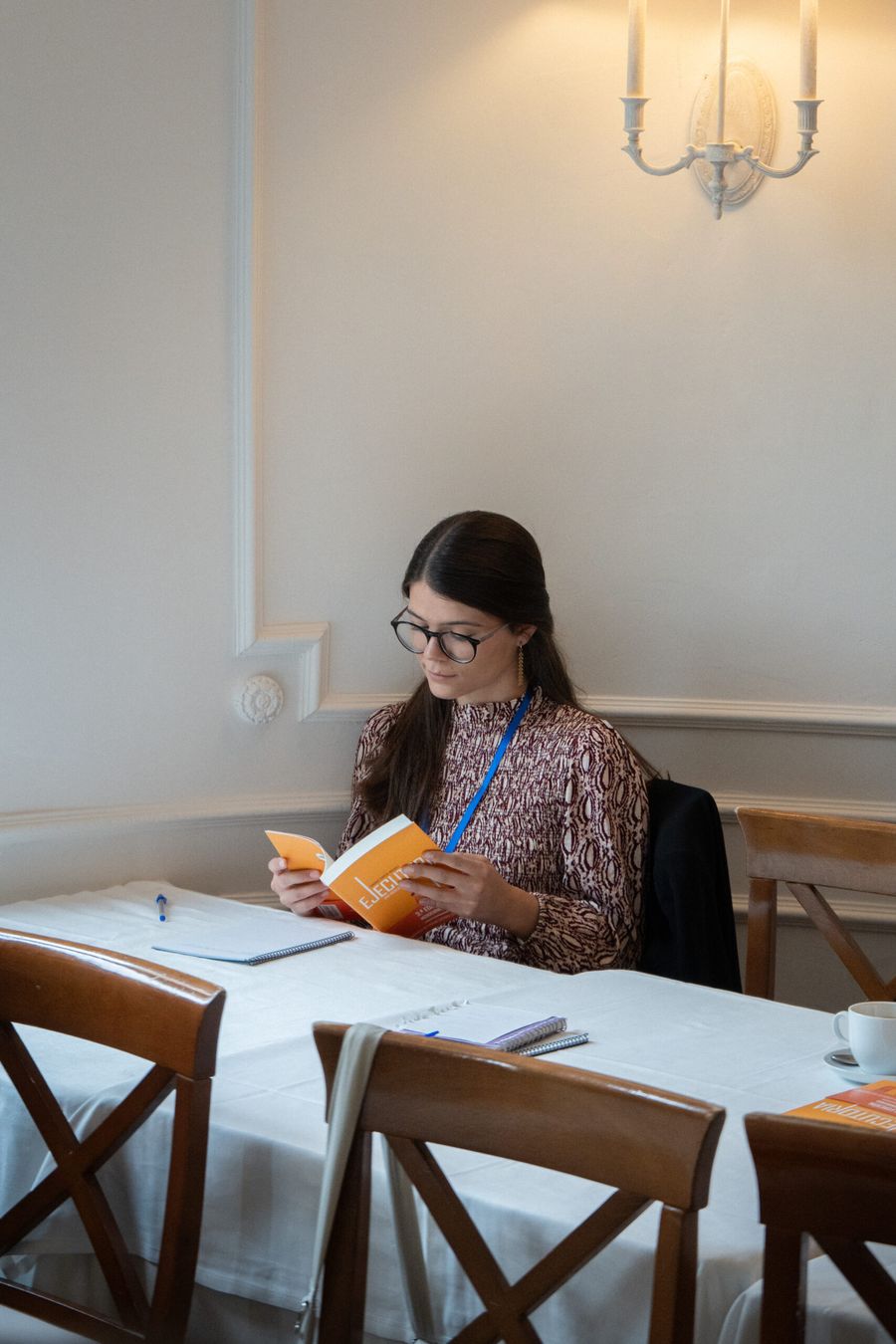
We observe that the great majority of educational institutions lean towards two schools of educational thought.
First, the romantic-idealist school of thought of the New Education – that is, the constructivist education championed by the current educational reform – is widespread. It is an emotivist and anti-intellectual perspective which holds that students carry within themselves the seed of knowledge, and that they construct it autonomously on the basis of their subjective representation of reality.
Second, there is the mechanistic school of thought (‘spare the rod and spoil the child’), which sees the student as a passive entity. We consider the choice between the New Education and the misnamed ‘traditional’ education to be a false dilemma.
We have in mind an educational proposal that departs from current frameworks and rests on the realist foundations of Aristotelian-scholastic thought. Classical-realist education upholds the importance of wonder and the beauty of instruction and of a transmission of culture and science grounded in reality and truth.
We believe that education must be approached no longer as a mere tool in the service of a political or social project, nor reduced to training in a set of technical competencies. We see the school as a cloister of study and the university as a temple of learning.
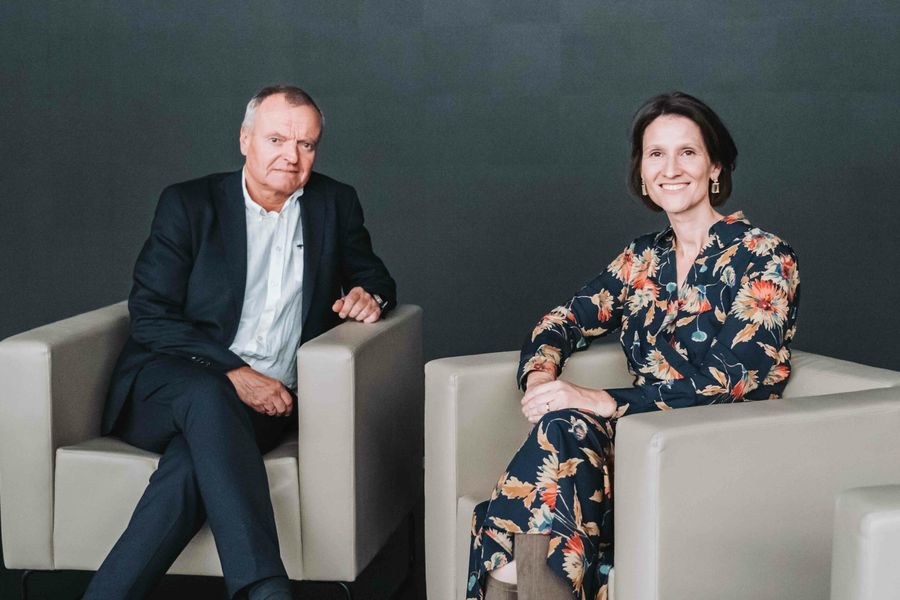
We understand education in the light of the teleology of the person; we believe that educational action should be conceived as the pursuit of the perfection of which human nature is capable. We advocate an education in which young people are taught to read, to write, to think and to express themselves orally and in writing, with judgement and fluency. We advocate an education in which manners matter, because they are an expression of inner order. We believe that effort is compatible with the pleasure of learning.
The Postgraduate Programme offered by Fundación CLE arises in a Spanish educational context characterised by:
An increasingly technocratic and hyper-specialised world that values skills and technical competences but has lost sight of the unity of knowledge, especially of those fields of knowledge that point us to what it means to be human.
An educational world that has ceased to be the guardian of the best of the knowledge inherited in the West over centuries.
- Venue: C. de Valdesquí, 4 (sixth-form building), Moncloa-Aravaca, Madrid.
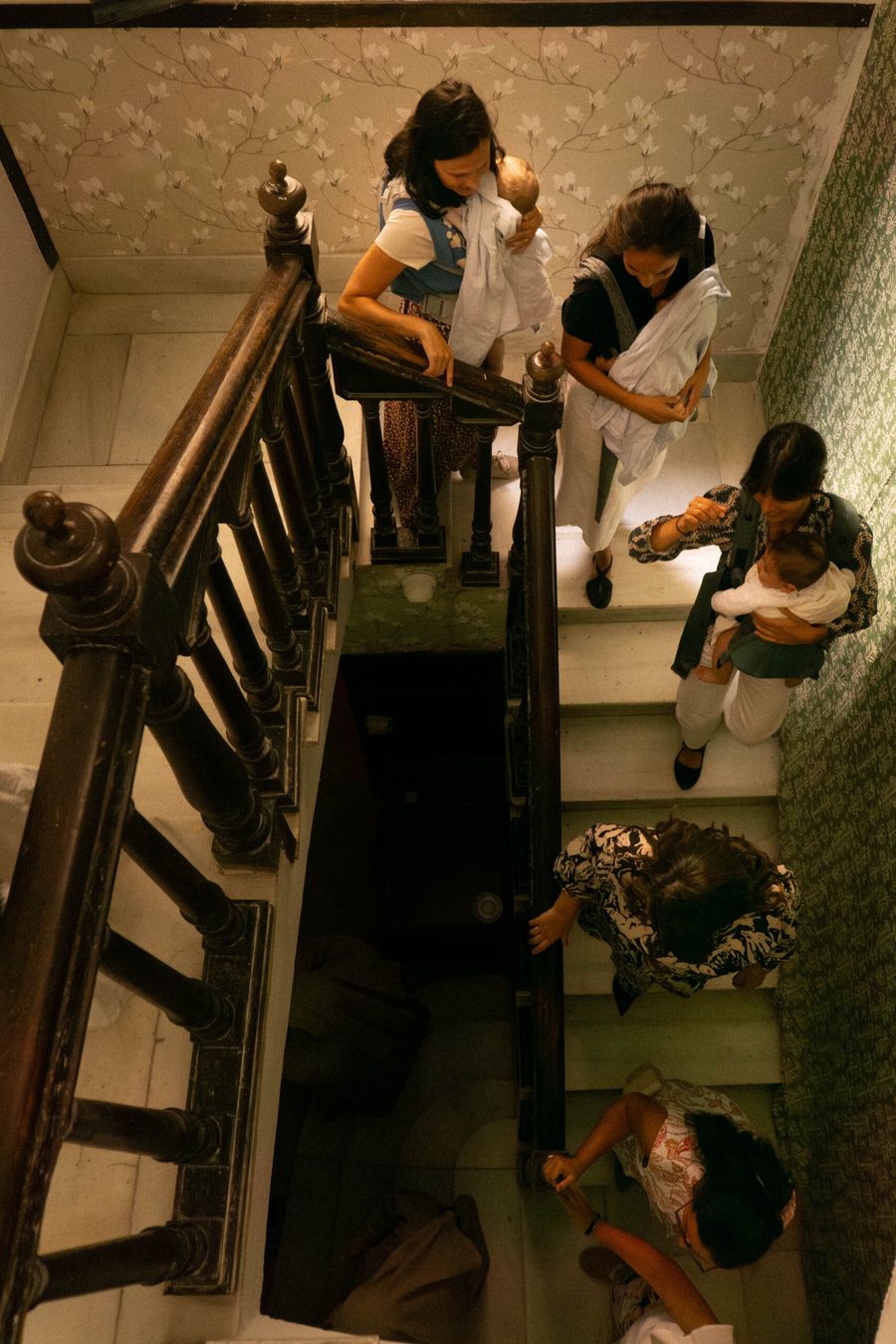
- Attendance in person (parents may bring their baby under 10 months old to class). Classes are taught in Spanish.
Duration
- Two years.
- Part-time, to help you balance study with work and family life.
- A timetable designed not to interfere with family and professional life.
- One weekend a month (Friday 18:00–20:00 and Saturday 9:00–17:30), from September to June.
Dates for the 2027–28 academic year:
- Opening session 26 June 2027; 3–4 September 2027; 1–2 October 2027; 5–6 November 2027; 26–27 November 2027; 14–15 January 2028; 4–5 February 2028; 3–4 March 2028; 31 March–1 April 2028; 5–6 May 2028; 2–3 June 2028.
- €152/month* for 25 months.
- The fee does not include accommodation.
- Meals and the cost of the anthologies of texts and other materials are charged separately.
* With the applicable discount; €176/month without discount.
Discounts
- €600 discount: applicable to large families (on presentation of a large-family certificate – título de familia numerosa – current and valid at the time of completing enrolment), members of religious orders and/or priests, young professionals aged 32 or under, members of the Fundación CLE Alumni Association, or where two members of the same household take the Postgraduate Programme.
Scholarships
- Scholarships may be available (between €500 and €2,500, which cannot be combined with the above discount). The criteria taken into account for scholarships are: the excellence of the application, the number of children, the need to travel in order to take the Postgraduate Programme, whether two people from the same household are taking the Postgraduate Programme, and objective financial need. Applicants wishing to request a scholarship must demonstrate that they meet the conditions by writing to the following address: becasfundacioncle@nummera.es.
Financing and payment terms
- To complete enrolment, a first payment of €540 for the enrolment fee is required.
- A second payment of €560 will be made on 1 April 2027.
- Subsequent payments will be monthly instalments of €176/month (€152/month if the discount applies), from 1 June 2027 to 1 June 2029, both inclusive.
- The course materials provided by the Foundation and the Saturday meals (coffee and lunch) will also be paid by monthly direct debit, spread over 25 months from June 2027 (€8 and €26 respectively).
- Discounts and scholarships will be deducted from the monthly amount, spread proportionally across each item.
- Application for admissionThe applicant submits an application for admission by sending their CV and letter of motivation.
- InterviewSecond stage: interview.
- DecisionNegative / positive decision: during the application round or up to 10 days after the closing date.
- Securing your placeEnrolment to secure your place.
Application rounds
- Second application round: closes on 30 November 2026.
- Third application round: closes on 30 December 2026.
We recommend that applicants submit their application for admission as soon as possible, in case places for the next application round are filled. If places remain, additional rounds will be held.
The Postgraduate Programme offered by Fundación CLE is not officially accredited and is therefore a non-official qualification (título propio) that does not give access to doctoral studies.
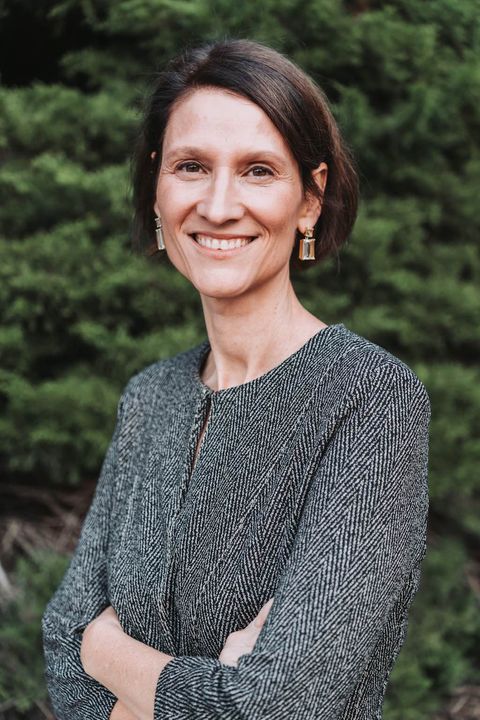 Dr Catherine L’EcuyerDirector of the Postgraduate Programme in Classical-Realist Education and the HumanitiesFounder and Director General
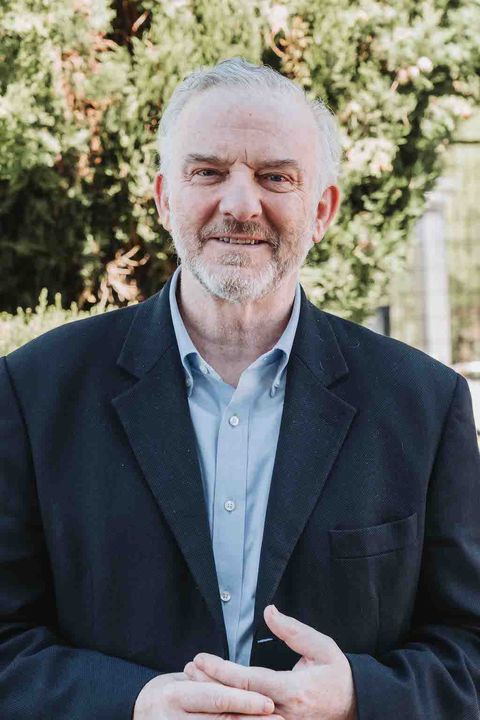 Dr Ignasi de BofarullDeputy Director of the Postgraduate Programme in Classical-Realist Education and the Humanities
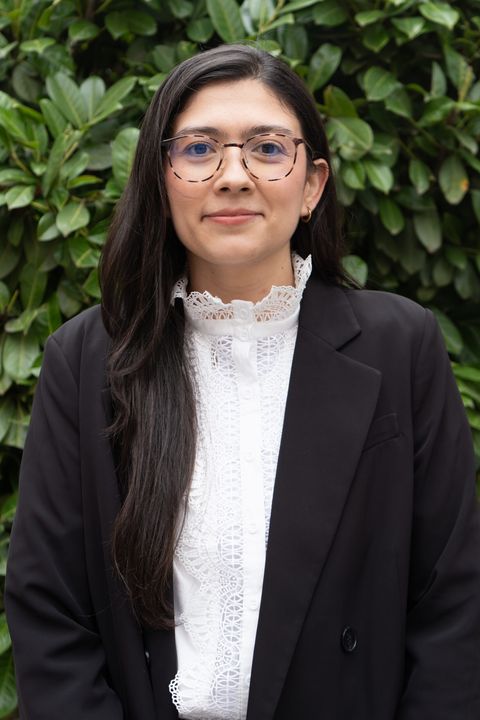 Isadora FrancoCoordinator of the Postgraduate ProgrammeExecutive Assistant
Advisory Committee
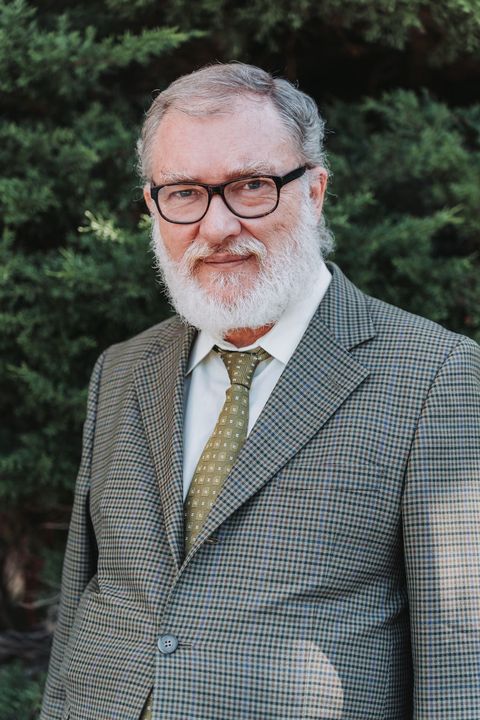 Dr José María Barrio MaestreSenior Lecturer in Educational Anthropology
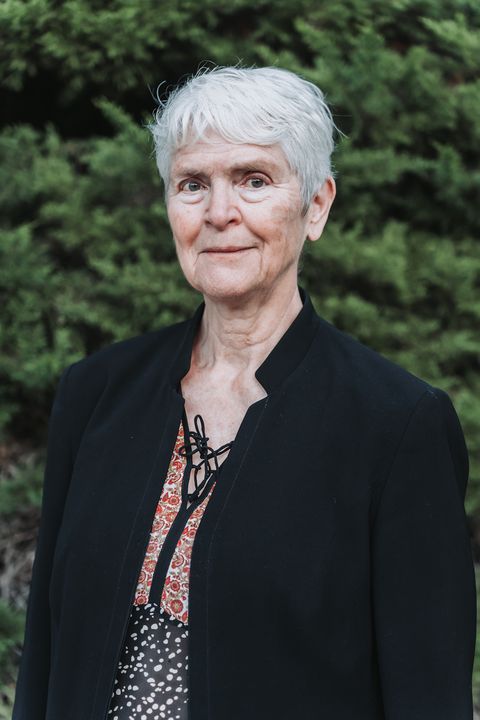 Dr Inger EnkvistEducationalist and Professor of Spanish
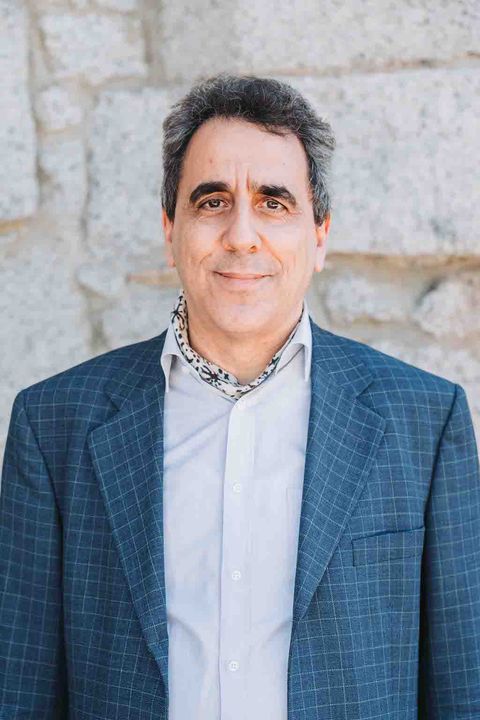 Dr José Ignacio MurilloProfessor of Philosophy
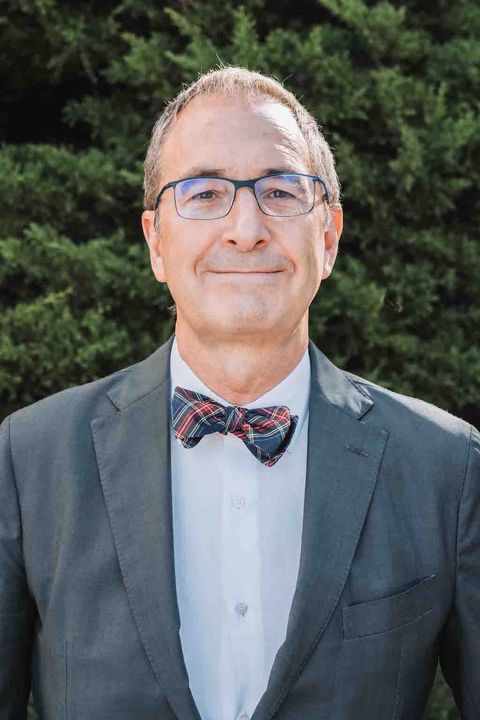 Dr Horacio SilvestreHead Teacher of Instituto San Mateo, sixth-form centre of excellence

The Fundación CLE Postgraduate Programme, conceived by Catherine L’Ecuyer, has the great merit of going straight to the heart of the central problem in education that teachers face every day. This Postgraduate Programme is one of the few places, at least in the Spanish-speaking educational world, that enables hundreds of teachers and school leaders to survive amid the shallowness and lack of judgement that prevail in education.
Carlos HoevelProfessor of the History of Economic and Political Thought and of the Philosophy of Economics at the Pontifical Catholic University of Argentina.