Theory of knowledge from the standpoint of realist thought
Basic concepts of metaphysics and epistemology
Aristotelian thought (teleology, pleasure, act and potency, the virtues, the importance of the hand, the particular and the universal, etc.)
Patristic thought
Thomas Aquinas and knowledge
II
Philosophical foundations of education II
The origins of voluntarism in education: Duns Scotus
Intelligent desire and desiring intelligence
Modernity and its defining features (Kant, Rousseau, Descartes, etc.)
Rousseau, Romanticism and the history of the New Education
Nature and moral education
The controversy over original sin and its implications for education: Protestantism, Pelagianism, Thomas Aquinas and Augustine of Hippo
III
Constructivism, mechanism and classical-realist education
Why does constructivism not work in education? The case of Sweden
Hannah Arendt’s classic essay ‘The Crisis in Education’
Secure attachment, emotional education and joint attention
Credulity, incredulity and trust in education
AI and classical education
Sensory education, neuromyths and early stimulation
The historical development of the Great Books movement and a presentation of the principles and methodology of Great Works within the classical-realist school of thought of Fundación CLE Catherine L’Ecuyer
How to encourage reading at home
How to close the language gap
IV
Education in the virtues
What virtue is:
All human action tends towards the good
The classical description of virtue and its elements
Virtue as a quality
How to educate in virtue:
Guidance
Rule
Correction
Example
Habituation and the disposition to do good
What the virtuous teacher is like:
The virtue of friendship (Books VIII and IX of the Nicomachean Ethics and the commentaries of Thomas Aquinas; the Ordo amoris of Augustine of Hippo)
The four cardinal virtues
V
Educational theory
The controversy between realism and idealism
Constructivism: a ‘prêt-à-porter’ version of Kantian idealism
What is postmodernism?
To understand is to read within, to go deeper, to illuminate and to remember
Memory and the passive intellect: what is understood is not forgotten
Knowing is not constructing: to teach is to present reality, not merely representations of it
Diploma Course in the Foundations of Classical-Realist Education
In summer 2027, Fundación CLE offers the Diploma Course in the Foundations of Classical-Realist Education for Latin America. The course is intended for teachers, head teachers, parents and other professionals with a strong interest in classical-realist education.
The Diploma Course will be led by Dr Catherine L’Ecuyer, who holds a PhD in Education and Psychology and an honorary doctorate from the Universidad del Magdalena, and is the author of the bestsellerEducar en el asombro.
Venue, format, timetable and fee
Venue
In Medellín, Colombia.
The Diploma Course will be held on the premises of Colegio Sagrado Corazón Montemayor* (35 min from José María Córdova Airport).
Methodology
A personal interview with the Diploma Course Coordinator, conducted from Spain, so that the academic leadership of the Diploma Course can draw up a personalised reading plan.
60 non-contact hours of preparatory reading, following the personalised reading plan set and supervised from Spain by the academic leadership of the Postgraduate Programme. Students must write a one-page essay in response to a question on one of the books read.
In-person classes (parents may bring babies under 10 months old to class). Classes are taught in Spanish.
In-person teaching by lecturers of international standing.
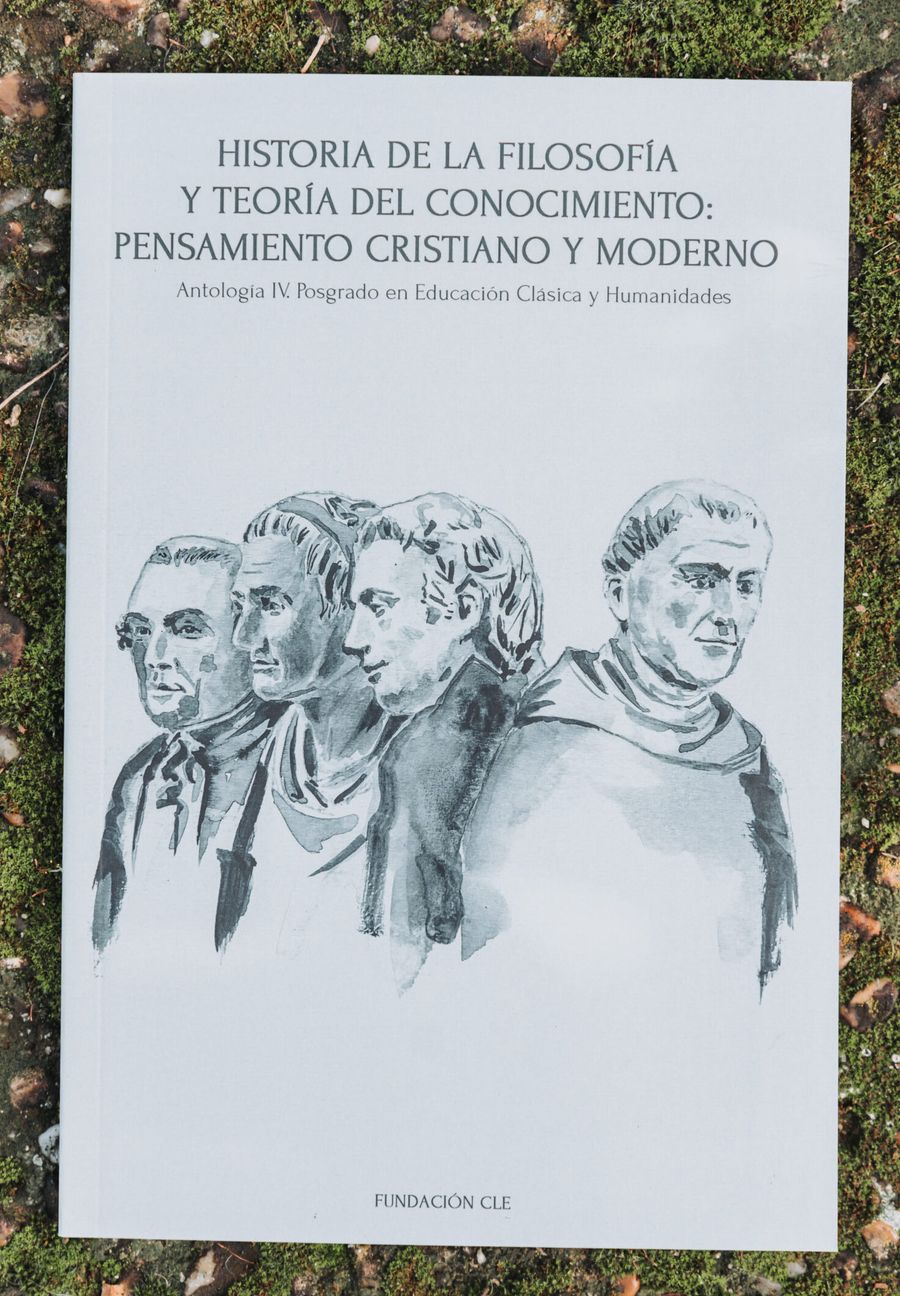
6 hours of conversation between students and speakers during breaks and meals. 18 hours of personal study and/or reading, supported by two anthologies (€15 each).
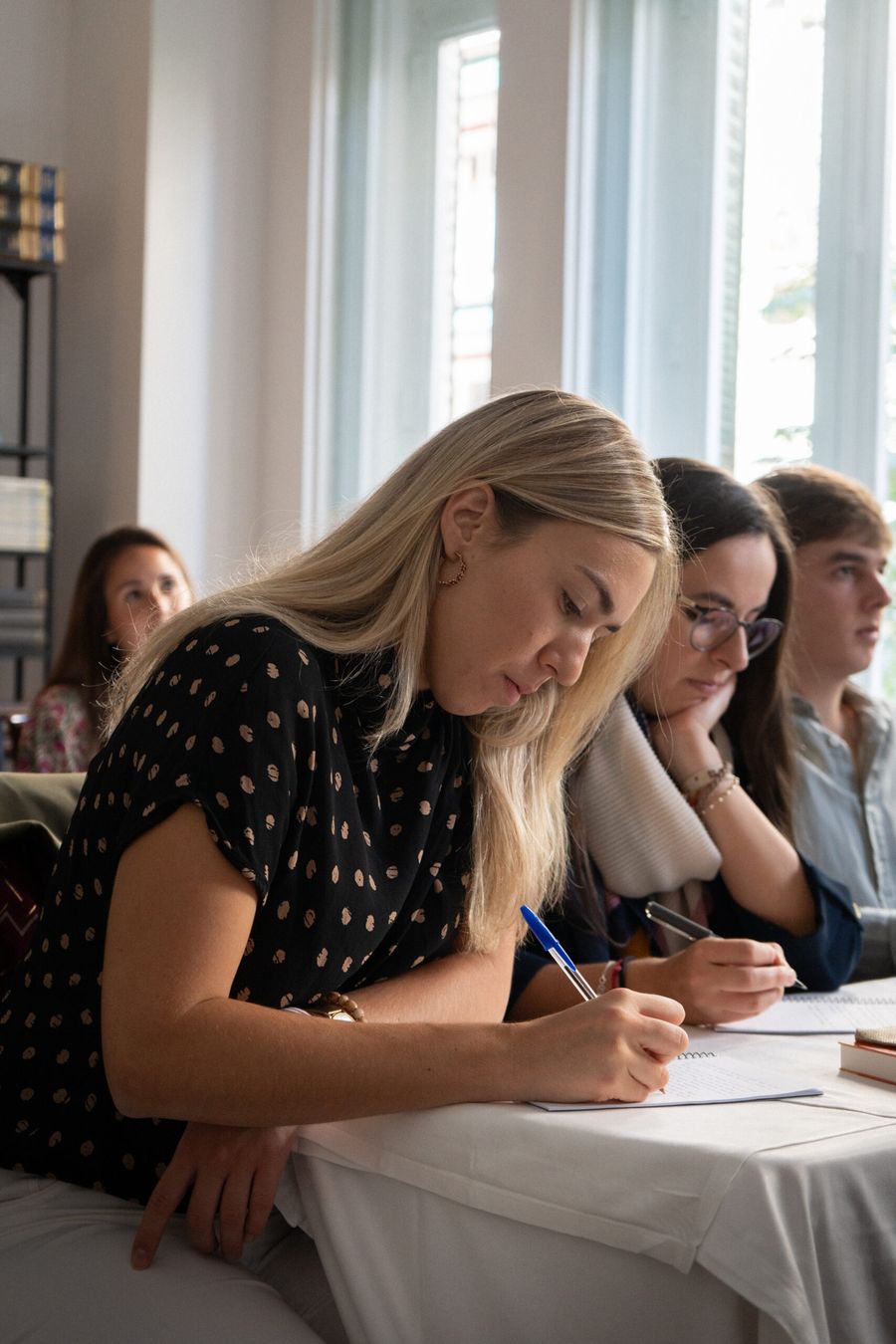
Lectures (direct instruction), the Socratic method (questions and answers), reading and note-taking by hand.
Close contact with the faculty and the Diploma Course leadership during meals, coffee breaks, etc.
The company of other teachers, lecturers, head teachers, parents and professionals with a strong interest in classical education.
Continuity and unity of content (Catherine L’Ecuyer– Director of the Diploma Course – attends the sessions in person).
Mobile phones are switched off or in flight mode during classes and meals (a room will be available for those who need to make calls or check their phones).
Duration and timetable
6 days, from 26 to 31 July 2027 inclusive.
30 hours of classes (9:00–14:00).
Preparation through guided reading in the months before the classes.
Fee
€850 per person.
€800 per person for young professionals aged 32 or under.
The fee does not include flights, travel, accommodation or meals. Recommendations for affordable accommodation will be provided.
* We are especially grateful to Colegio Sagrado Corazón Montemayor for making its premises available for the Diploma Course.
Diploma Course leadership
Dr Catherine L’EcuyerDirector of the Diploma Course
Isadora FrancoCoordinator of the Diploma Course
Diploma Course faculty
Dr Catherine L’EcuyerDirector of the Postgraduate Programme in Classical-Realist Education and the Humanities
Dr José María Barrio MaestreSenior Lecturer in Educational Anthropology
Dr Inger EnkvistEducationalist and Professor of Spanish
Dr Joaquín León ParodiLecturer in Philosophy of Education
Dr José Ignacio MurilloProfessor of Philosophy
‘For classical-realist education, the school is neither a job placement agency nor a laboratory for training future citizens; the school is a temple of learning’.
Dr Catherine L’EcuyerDirector of the Postgraduate Programme in Classical-Realist Education and the Humanities. Founder and Director of Fundación CLE. Author of the bestsellerEducar en el asombro.
‘Classical education is the finest instrument man has devised for achieving a civilised society: a modest tool that warns against, and protects from, the totalitarian fantasies of the schools of educational thought that have held sway over education since at least the mid-20th century’.
Dr Horacio SilvestreHead Teacher of Instituto San Mateo, sixth-form centre of excellence
‘Catherine L’Ecuyer’s Postgraduate Programme in Classical-Realist Education and the Humanities is the most valuable programme in the Spanish university system today’.
Dr Vicente BellverProfessor of Philosophy of Law at the University of Valencia.
This website uses its own cookies, which are necessary for it to work, and, only if you accept them, third-party cookies: statistics cookies (Jetpack, by Automattic), to count visits, and YouTube cookies (Google), to play videos. You can accept them, reject them or make your choice under ‘Preferences’.
Technical
Always active
Necessary for the website to work: the session, the enrolment basket and your choice about cookies.
Preferences
The technical storage or access is necessary for the legitimate purpose of storing preferences that are not requested by the subscriber or user.
Analytics
These count visits using Jetpack Stats (Automattic).The technical storage or access that is used exclusively for anonymous statistical purposes. Without a legal requirement, voluntary compliance on the part of your internet service provider, or additional records from a third party, information stored or retrieved for this purpose alone cannot be used to identify you.
Third-party videos (YouTube)
YouTube (Google) videos embedded in the website load only if you accept them or press play.








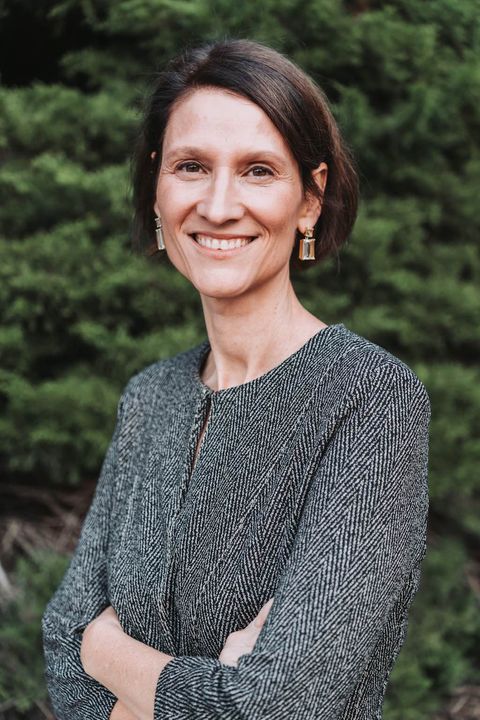 Dr Catherine L’EcuyerDirector of the Diploma Course
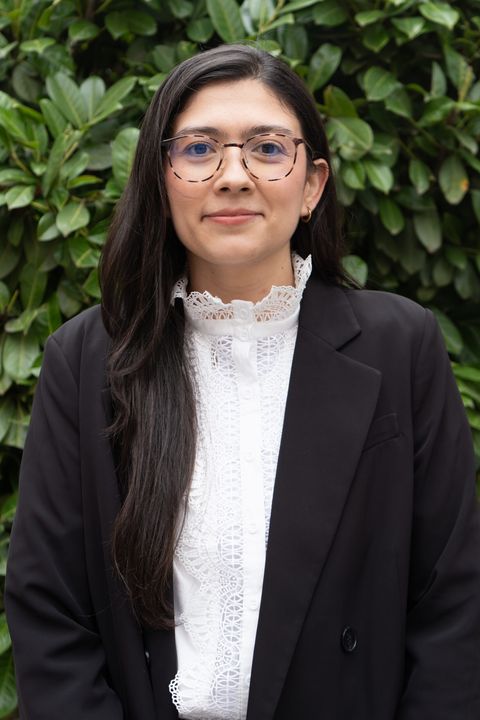 Isadora FrancoCoordinator of the Diploma Course
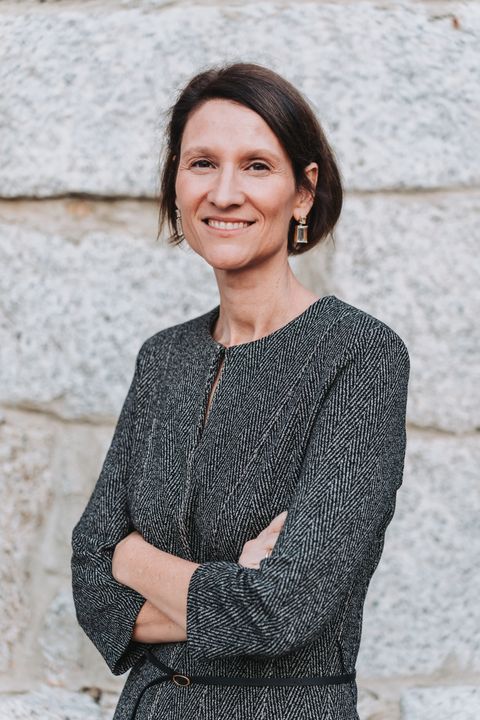 Dr Catherine L’EcuyerDirector of the Postgraduate Programme in Classical-Realist Education and the Humanities
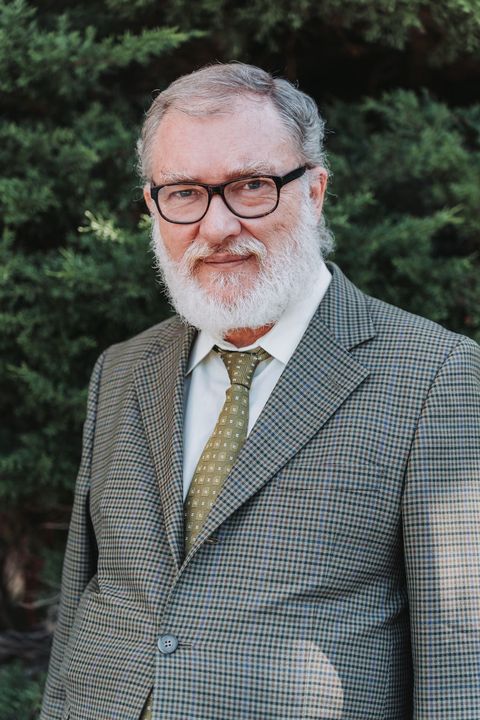 Dr José María Barrio MaestreSenior Lecturer in Educational Anthropology
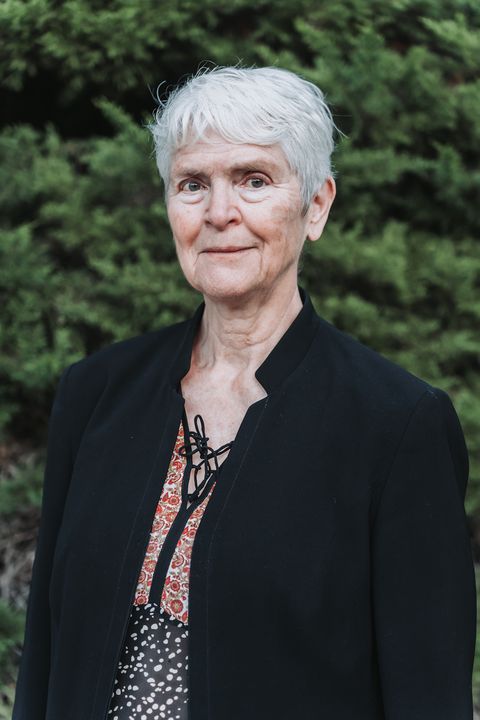 Dr Inger EnkvistEducationalist and Professor of Spanish
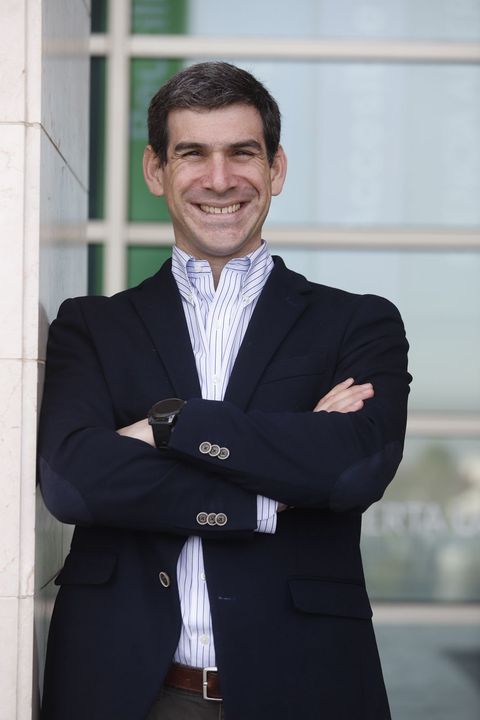 Dr Joaquín León ParodiLecturer in Philosophy of Education
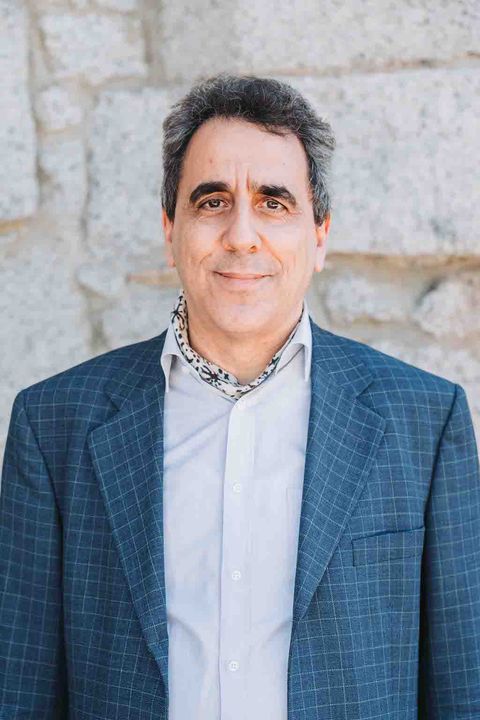 Dr José Ignacio MurilloProfessor of Philosophy