
Diploma Course in the Anthropological Foundations of Montessori Education for Latin America
Led by Dr Catherine L’Ecuyer
In the book ‘María Montessori, Dios y el niño y otros escritos inéditos’ [Maria Montessori, God and the child and other unpublished writings], edited by Fulvio De Giorgi, Montessori set out in 1910 an ambitious programme for those who wished to join her in a movement. Under that programme, all those preparing to work with her in the education of children were to be trained in ‘Thomist philosophy’, acquire ‘a basic knowledge of the history of philosophy’ and develop a ‘critical’ view of the ‘modern psychological theories’ put forward by the New Education movement. The programme we offer at Fundación CLE follows the spirit of the programme designed by Dr Montessori herself.
Summer 2027 programme
Philosophical foundations of Montessori education I
- What is the origin of educational methods?
- Theory of knowledge from the standpoint of realist thought
- Basic concepts of metaphysics and epistemology
- Aristotelian thought in Montessori (teleology, pleasure, act and potency, virtues, the importance of the hand, the particular and the universal, etc.)
- Patristic thought
- Thomas Aquinas and knowledge
Philosophical foundations of Montessori education II
- The origins of voluntarism in education: Duns Scotus
- Intelligent desire and desiring intelligence
- Modernity and its defining features (Kant, Rousseau, Descartes, etc.)
- Rousseau, Romanticism and the history of the New Education
- Nature and moral education in Montessori
- The controversy over original sin and its implications for education: Protestantism, Pelagianism, Thomas Aquinas and Augustine of Hippo
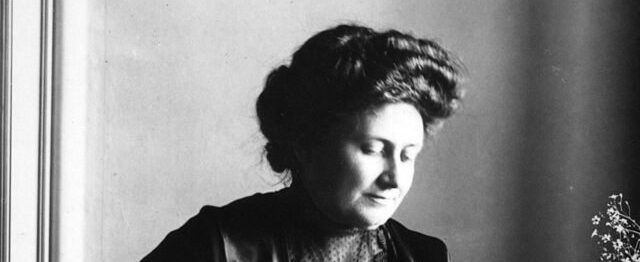
Who was Montessori?
- Her life and work
Foundations of the pillars of Montessori education I
- Control of error
- Planes of development
- Normalisation
- Work cycle
- Practical Life activities
- Grace and Courtesy
Foundations of the pillars of Montessori education II
- The teleological approach in Montessori
- Montessori, Rousseau and the New Education movement
- Literacy in Montessori
- Knowing is not constructing: to teach is to present reality, not merely representations of it
- Credulity, incredulity and trust in education
- AI in Montessori education
- Sensory education in Montessori, neuromyths and early stimulation

Foundations of the pillars of Montessori education III
- Educating attention
- Educating in wonder and beauty
- Freedom, discipline and the concept of self-education
- Critical versus sensitive periods
- Fantasy in Montessori
- Montessori and modernity
Diploma Course in the Anthropological Foundations of Montessori Education
In the summer of 2027, Fundación CLE offers the Diploma Course in the Anthropological Foundations of Montessori Education for Latin America, a course intended for teachers, guides, head teachers, parents and other professionals interested in Montessori education. It is designed both for educators with no prior knowledge of Montessori pedagogy and for those with intermediate or advanced knowledge; the approach centres on an in-depth study of the philosophical foundations of Montessori education.
- The Diploma Course will be led by Dr Catherine L’Ecuyer, PhD in Education and Psychology, honorary doctorate from the Universidad del Magdalena, author of the bestseller Educar en el asombro (published in English as The Wonder Approach) and honorary member of the Spanish chapter of the Association Montessori Internationale.


Venue, format, timetable and fee
Venue and format
- In Medellín, Colombia.
- The Diploma Course will be held on the premises of Colegio Sagrado Corazón Montemayor* (35 min from José María Córdova Airport).
Methodology
- A personal interview with the Diploma Course Coordinator, conducted from Spain, so that the academic leadership of the Diploma Course can draw up a personalised reading plan.
- 60 non-contact hours of preparatory reading, following the personalised reading plan set and supervised from Spain by the academic leadership of the Postgraduate Programme. Students must write a one-page essay in response to a question on one of the books read.
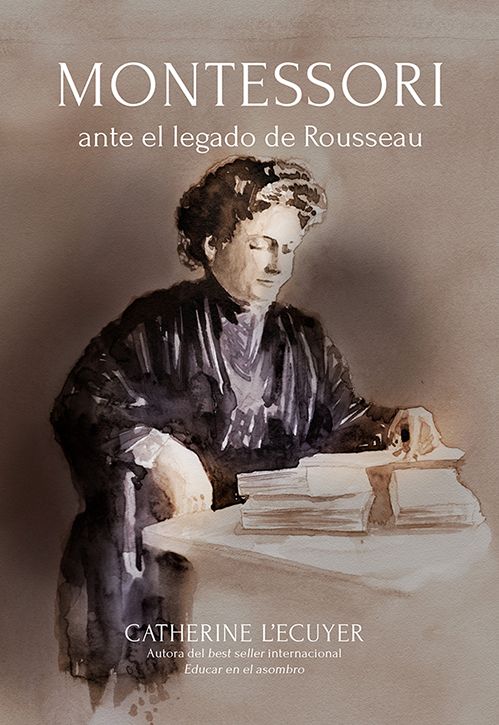
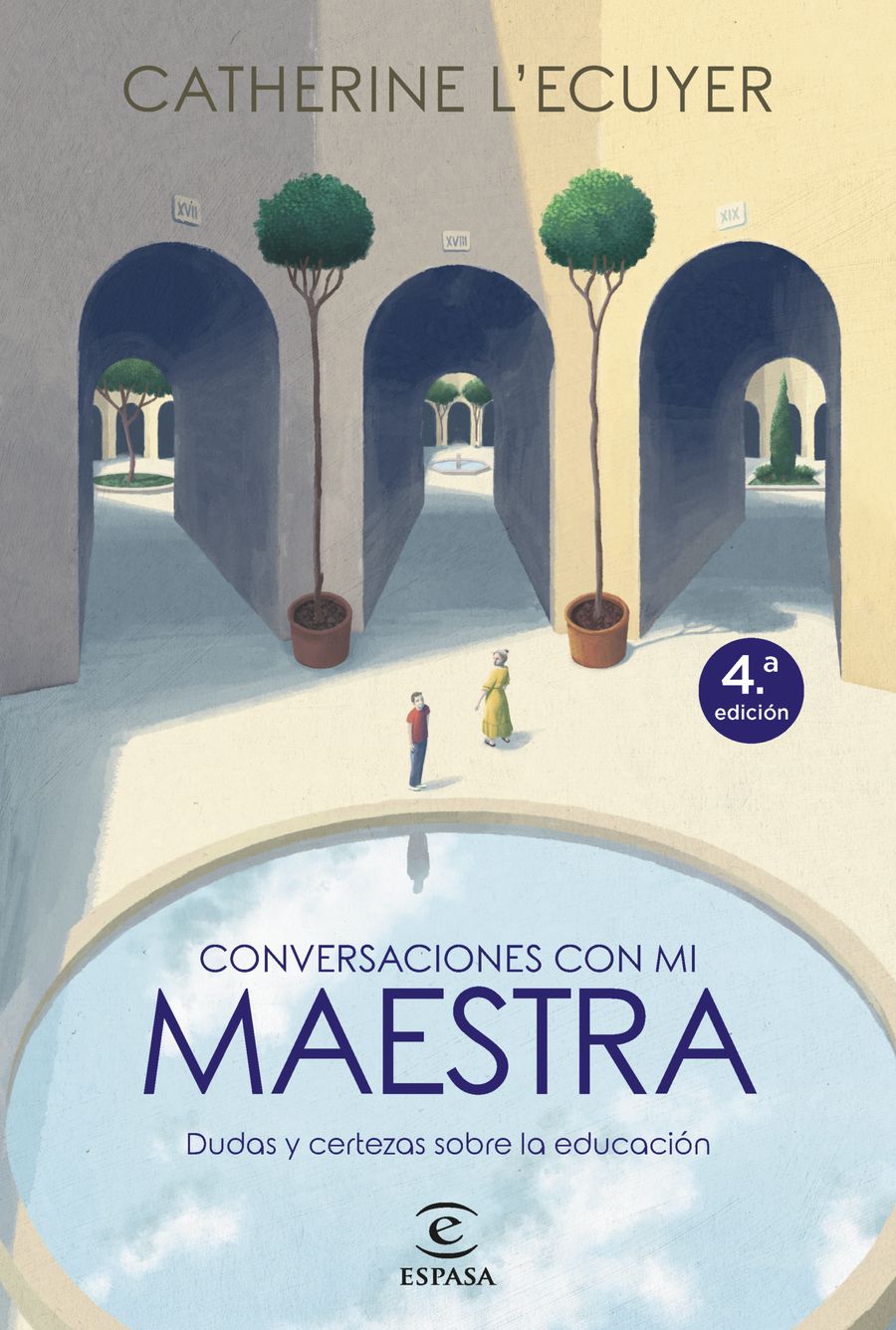
- Prior reading of the book Conversaciones con mi maestra [Conversations with my teacher] by Dr Catherine L’Ecuyer is essential. We also recommend reading her book Montessori ante el legado pedagógico de Rousseau [Montessori and the pedagogical legacy of Rousseau].
- In-person classes (parents may bring babies under 10 months old to class). Classes are taught in Spanish.
- In-person teaching by lecturers of international standing.
- 6 hours of conversation between students and speakers during breaks and meals. 18 hours of personal study and/or reading.
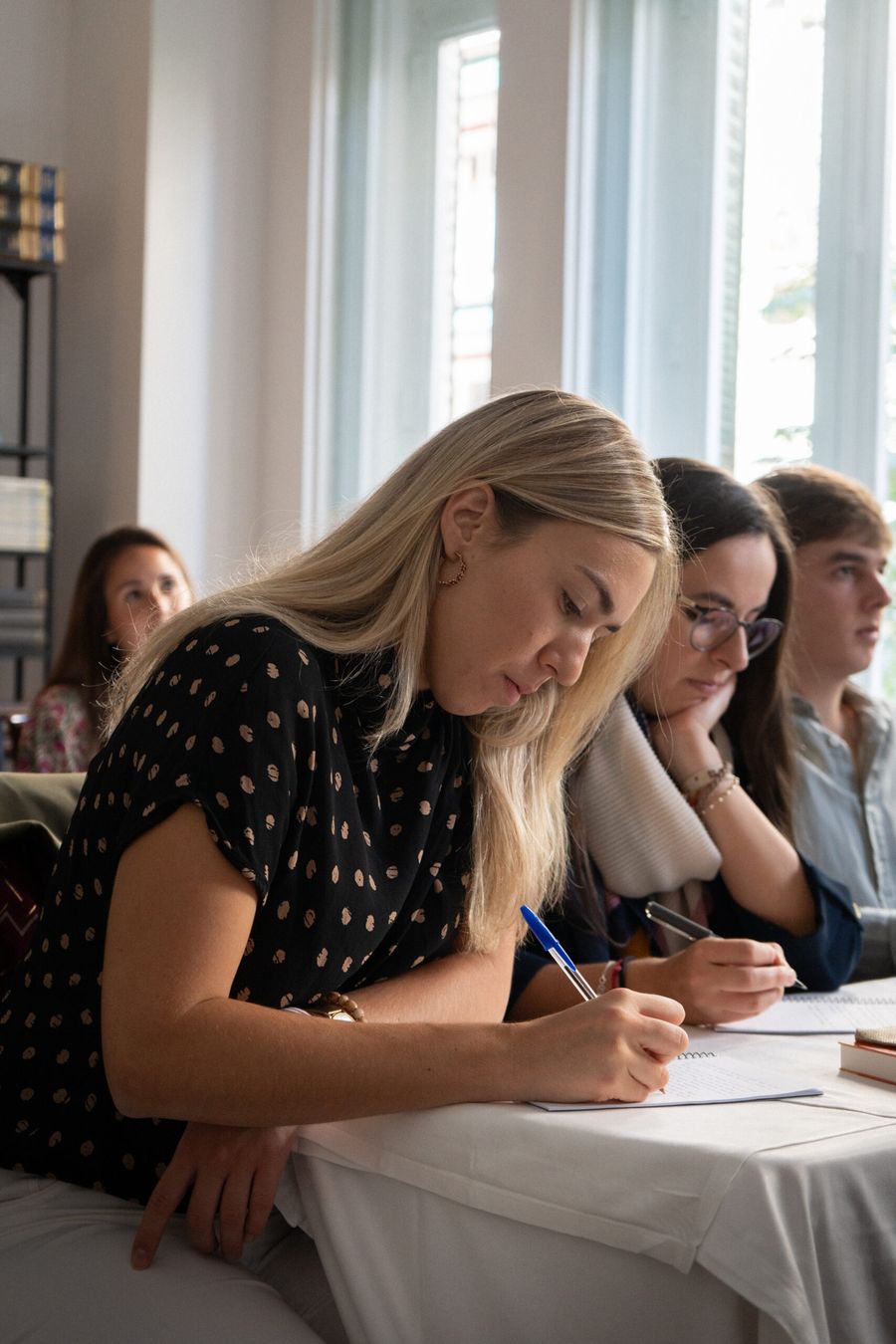
- Lectures (direct instruction), the Socratic method (questions and answers), reading and note-taking by hand.
- Close contact with the faculty and the Diploma Course leadership during meals, coffee breaks, etc.
- Close contact with other teachers, lecturers, head teachers, parents and professionals with a keen interest in Montessori education.
- Continuity and unity of content (Catherine L’Ecuyer – Director of the Diploma Course – attends the sessions in person).
- Mobile phones are switched off or in flight mode during classes and meals (a room will be available for those who need to make calls or check their phones).
Duration and timetable
- 6 days, from 26 to 31 July 2027 inclusive.
- 30 hours of classes.
- Preparation through guided reading in the months before the classes.
Fee
- €850 per person.
- €800 per person for young professionals aged 32 or under.
- €300 per person for those enrolled on the Diploma Course in the Foundations of Classical-Realist Education for Latin America.
- The fee does not include flights, travel, accommodation or meals. Recommendations for affordable accommodation will be provided.
* We are especially grateful to Colegio Sagrado Corazón Montemayor for making its premises available for the Diploma Course.

Diploma Course leadership
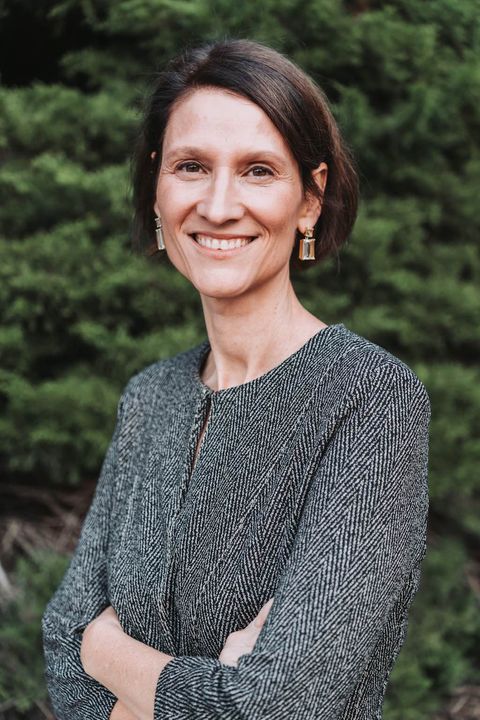 Dr Catherine L’EcuyerDirector of the Diploma Course
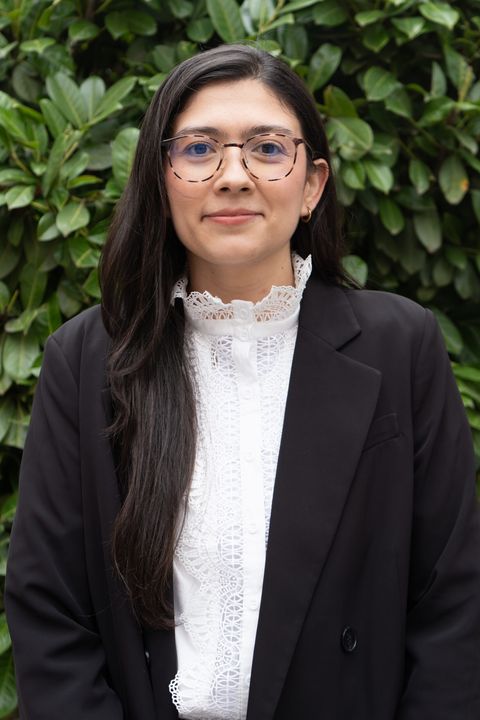 Isadora FrancoCoordinator of the Diploma Course