
Certificate in Montessori Education


Programme
Anthropological foundations of Montessori education
- What is the origin of educational methods?
- Theory of knowledge from the standpoint of realist thought
- Basic concepts of metaphysics and epistemology
- Aristotelian thought in Montessori (teleology, pleasure, act and potency, virtues, the importance of the hand, the particular and the universal, etc.)
- Patristic thought
- Thomas Aquinas and knowledge
- The origins of voluntarism in education: Duns Scotus
- Intelligent desire and desiring intelligence
- Modernity and its defining features (Kant, Rousseau, Descartes, etc.)
- Rousseau, Romanticism and the history of the New Education
- Teleology in Montessori
- The controversy over original sin and its implications for the New Education as opposed to Montessori education: Protestantism, Pelagianism, Thomas Aquinas and Augustine of Hippo.
5–9 July 2027, 9:00–14:00.
Catholic University of Valencia
VALENCIA

Language I
Mathematics I
Sensorial I
6 hours of hands-on practice with the materials in the classroom
6–8 December 2027, 9:00–14:00 and 16:00–18:00.
Colegio San Pedro
GAVÀ (BARCELONA)

Montessori and the educational proposal of modernity
- What is constructivism?
- Is Montessori constructivist?
- Aristotelian self-education and constructivism at the epistemological level, as opposed to ontological constructivism
- The role of secure attachment, emotional education and joint attention in Montessori education
- Credulity, incredulity and trust in education
- The role of AI in Montessori education
- Sensory education as opposed to sensory stimulation (the education of the senses as opposed to neuromyths and early stimulation)
10–12 April 2028, 9:00–14:00.
Colegio Veracruz
GALAPAGAR (MADRID)
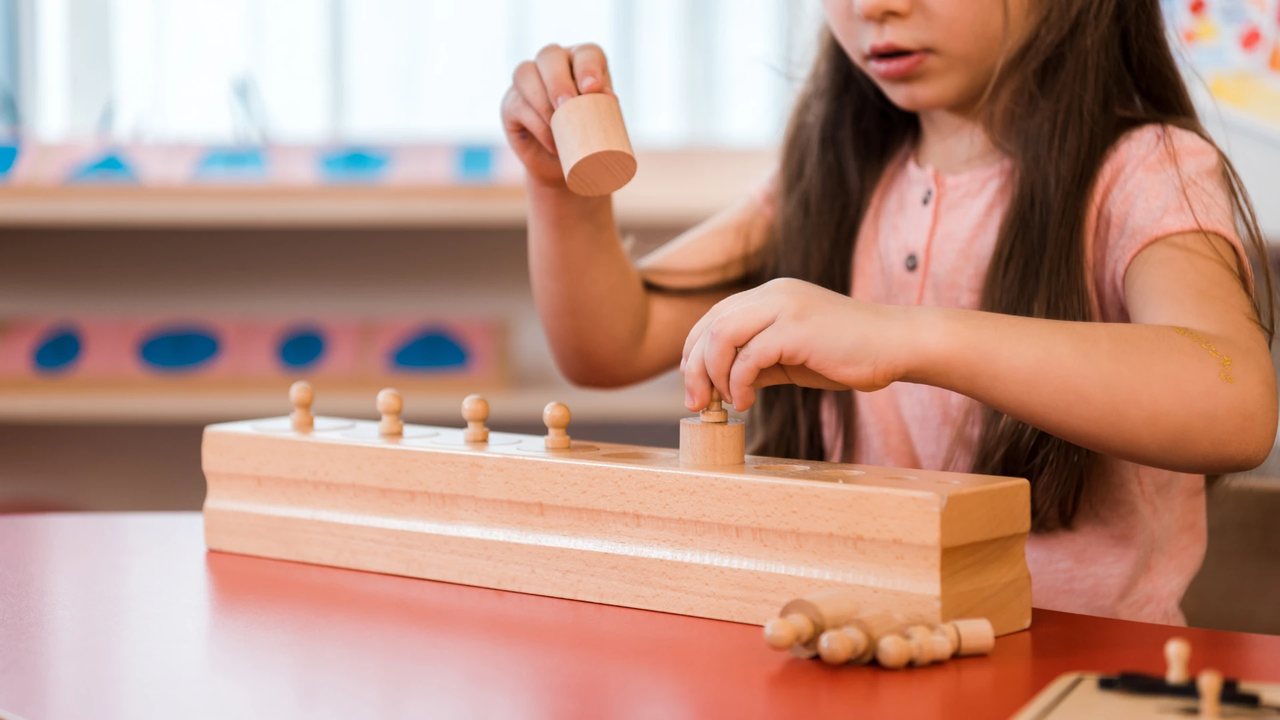
Language II–III
Mathematics II–III
Sensorial II–III
10 hours of hands-on practice with the materials in the classroom
10–14 July 2028, 9:00–14:00 and 16:00–18:00.
Colegio San Pedro
GAVÀ (BARCELONA)
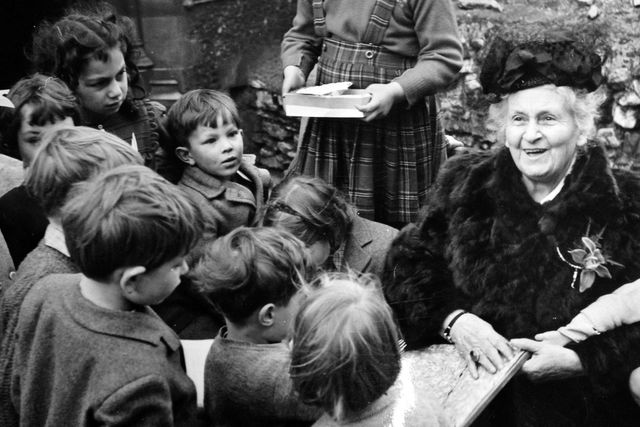
Who was Montessori?
Her life and work
6–8 December 2028, 9:00–14:00.
Catholic University of Valencia
VALENCIA

Grace and Courtesy
Practical Life activities
ATRIUM (optional, additional cost)
26–28 March 2029, 9:00–14:00.
Colegio Veracruz
GALAPAGAR (MADRID)
Objectives
To offer instruction that is faithful to the legacy of Maria Montessori, far removed from the fanciful notions often found in Montessori schools.
To offer accreditation at an affordable cost, in order to prepare Montessori teachers to understand not only the materials but also, and above all, the principles that animate the Montessori method.
Places
- 35 places for teachers, lecturers, head teachers, parents and professionals with a particular interest in Montessori education (ages 3–6).
Requirements
- An undergraduate degree, completed or in progress.
- A particular interest in Montessori education.
- We take great care in selecting our students, as the quality of the interaction among students forms part of the experience the Certificate offers.
- More than 110 hours of in-person teaching delivered by professors, lecturers and teachers who are experts in Montessori education.
- 16 hours of hands-on practice with the materials in the classroom.
- Optional teaching practice at Colegio San Pedro in Gavà (the number of hours completed will be stated on the certificate).
- Lectures (direct instruction), the Socratic method (questions and answers), reading and note-taking by hand.
- Close contact with the faculty and with the Certificate leadership.
- Close contact with other teachers, lecturers, head teachers, parents and professionals with a keen interest in Montessori education.
- Before each of the six modules, students must complete around 4 hours of reading from a recommended bibliography. In addition, on each day of classes, they must complete 2 hours of reading in the afternoon.
- Continuity and unity of content (Catherine L’Ecuyer – Director of the Certificate – attends the sessions in person).
- Mobile phones are switched off or in flight mode during classes and meals (a room will be available for those who need to make calls or check their phones).
- Valencia, Catholic University of Valencia, Trinitarios campus (C/ dels Trinitaris, 2, Ciutat Vella): 5–9 July 2027 and 6–8 December 2028
- Barcelona, Colegio San Pedro, in Gavà (Carrer de Montflorit, 138): 6–8 December 2027 and 10–14 July 2028
- Madrid, Colegio Veracruz, in Galapagar (Ctra. de El Escorial, 25): 10–12 April 2028 and 26–28 March 2029
- Attendance in person (parents may bring their baby under 10 months old to class). Classes are taught in Spanish.
- Six modules over 21 months.
- A timetable designed not to interfere with family and professional life.
- €107/month* for 21 months
- €300 discount: for large families (on presentation of a current and valid large-family certificate [título de familia numerosa] at the time of enrolment), for members of religious orders and/or priests, for young professionals aged 32 or under and for alumni of the Postgraduate Programme in Classical-Realist Education and the Humanities.
- The fee does not include accommodation. However, during the Madrid modules it is possible to stay at Casa Betania, in Galapagar, for €60 a day**, meals included.
- Meals, the anthologies of texts and other materials are paid for separately.
* With the applicable discount; €121/month without discount.
** For information and to arrange accommodation, you may contact Casa Betania directly on +34 918 583 562. Fundación CLE merely provides this information and plays no part in the management, booking or contracting of accommodation, which is entirely the student’s responsibility.
Enrolment to secure your place
- To complete enrolment, an initial payment of €340 (the enrolment fee) is required.
- A second payment of €360 will be made on 1 May 2027.
- Subsequent payments will be monthly instalments of €121/month (€107/month with the discount for large families, members of religious orders and/or priests, young professionals aged 32 or under and alumni of the Postgraduate Programme in Classical-Realist Education and the Humanities), from 1 July 2027 to 1 March 2029, both inclusive.
- Application for admissionThe applicant submits an application for admission by sending their CV and letter of motivation.
- InterviewSecond stage: interview.
- DecisionNegative / positive decision: during the application round or up to 10 days after the closing date.
- Securing your placeEnrolment to secure your place.
Application rounds
- Second application round: closes on 20 December 2026.
- Third application round: closes on 10 February 2027.
We recommend that applicants submit their application for admission as soon as possible, in case places for the next application round are filled. If places remain, additional rounds will be held.
 Dr Catherine L’EcuyerAcademic Director of the Certificate in Montessori EducationFounder and Director General
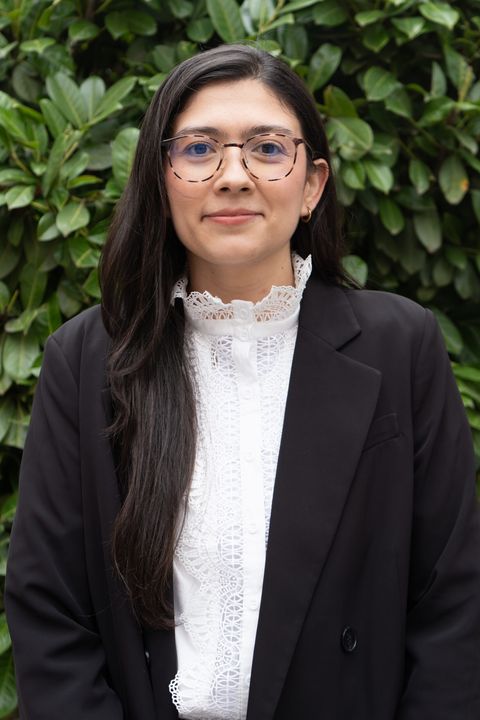 Isadora FrancoCoordinator of the CertificateDr Catherine L’EcuyerFounder and Director of Fundación CLEDirector of the Postgraduate Programme in Classical-Realist Education and the Humanities
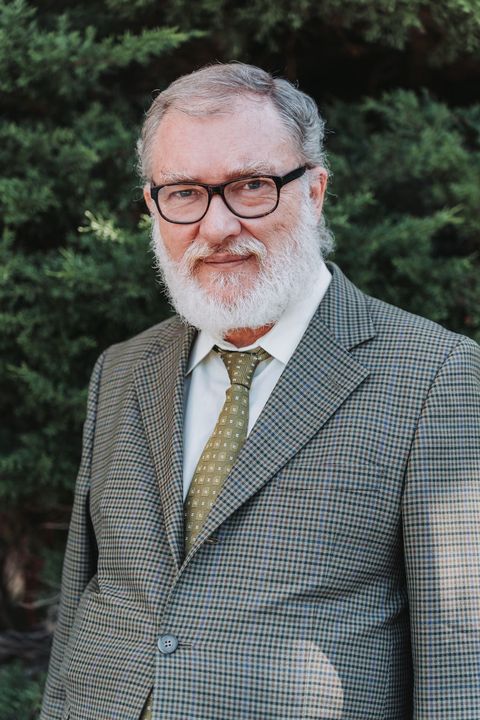 Dr José María Barrio MaestreSenior Lecturer in Educational AnthropologyComplutense University of Madrid
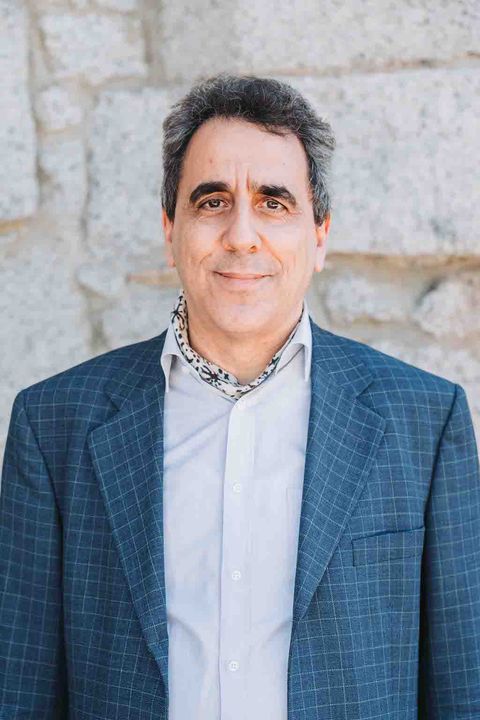 Dr José Ignacio MurilloProfessor of PhilosophyFaculty of Philosophy, UNAV
‘When the end of education is not clear in the educator’s mind, we run the risk of falling into a confusion of values whereby the means is mistaken for the end. That is the risk run by every educational method from the moment it is commercialised. Whenever the end is lost sight of – or one acts as if it did not exist – there is a risk of exaggerating the importance of the means, of dwelling on it, even of venerating it, until it becomes an obstacle in relation to the end that gave rise to it. Then, instead of drawing closer to the end, one moves away from it. For a method in itself does not educate. It is the person who educates, from his or her implicit or explicit vision of the ends of education’.
‘Montessori is relevant once again at a pedagogical moment that lurches from “the old” to “the new” without taking its own reins in hand on any sound basis; that has forgotten the ends of education, its meaning; that has surrendered to novelty as a value in itself and to educational eclecticism as the shop window of a pedagogy at the mercy of fashions and of pressures that respond to economic and political interests, not to those of the child’.
‘Active methodologies tend to emphasise the pupil’s external activity. Spontaneous activity in Montessori is not necessarily visible. Mental exercise, silence, stillness and concentration are signs of inner discipline. Without it, the child does not overcome false fatigue and learning is not possible. In short, for Montessori, we understand not only what we discover; we can also understand what we receive (through direct instruction or the prepared environment, for example). What we learn because we are taught it, if we understand it, we also discover’.